REVIEW · VIENNA
Vienna: Romantic Classics Piano, Violin, and Cello Concert
Book on GetYourGuide →Operated by Konzerte im Mozarthaus KG · Bookable on GetYourGuide
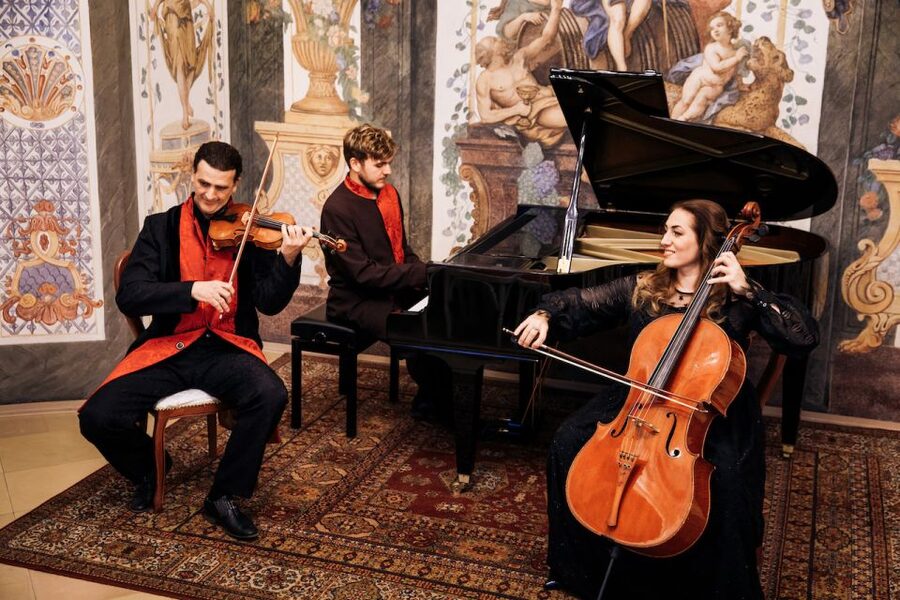
Vienna sings best when the room is small. This Romantic Classics concert at the Mozarthaus brings major composers to life with excellent acoustics and performers right in your line of sight. Add the expressive frescoes in the Sala Terrena, and you get a kind of old-world atmosphere that feels made for the music.
I especially like how the program jumps between moods without turning into a blur. Beethoven’s moonlit slow writing sits next to piano fireworks and then suddenly you’re hearing lyrical Schubert color over a trio-style flow. The main thing to consider is that the venue is relatively small, so if you’re picky about seat location, you’ll want to choose carefully (closer vs back row).
In This Review
- Key things to notice before you go
- Romantic Classics at the Mozarthaus: a small hall in Vienna’s center
- Finding the concert venue near St. Stephen’s Cathedral
- Choosing student, back row, or closer seats
- The program: Beethoven to Chopin to Schubert (and why the flow matters)
- J. Haydn: Trio all’ungarese (Hob XV:25)
- L. van Beethoven: Moonlight Sonata (Adagio)
- W. A. Mozart: La tartine de beurre / Das Butterbrot
- L. van Beethoven: Sonate op.2 (Allegro con brio)
- F. Liszt: Un sospiro
- F. Chopin: Nocturne in c minor op.48/1 and Étude op.10/1 in C major
- J. S. Bach: Cello Suite in G major (BWV 1007–Allegro)
- N. Paganini: Caprice 13
- C. Saint-Saëns: The Swan
- J. Massenet: Thais – Meditation
- F. Schubert: Trio in Es Major op.100 (Andante con moto)
- Featured artists: what their names signal about the performance
- Value for $69: what you really pay for
- Break time, toilets, and the refreshment reality check
- Who should book this Vienna piano, violin, and cello concert
- Should you book this Vienna Romantic Classics concert?
- FAQ
- How long is the Vienna Romantic Classics concert?
- Where is the meeting point for the Mozarthaus venue?
- What music is included in the program?
- Are there different seating options?
- What is included with the ticket?
- What languages are used by the host or greeter?
Key things to notice before you go
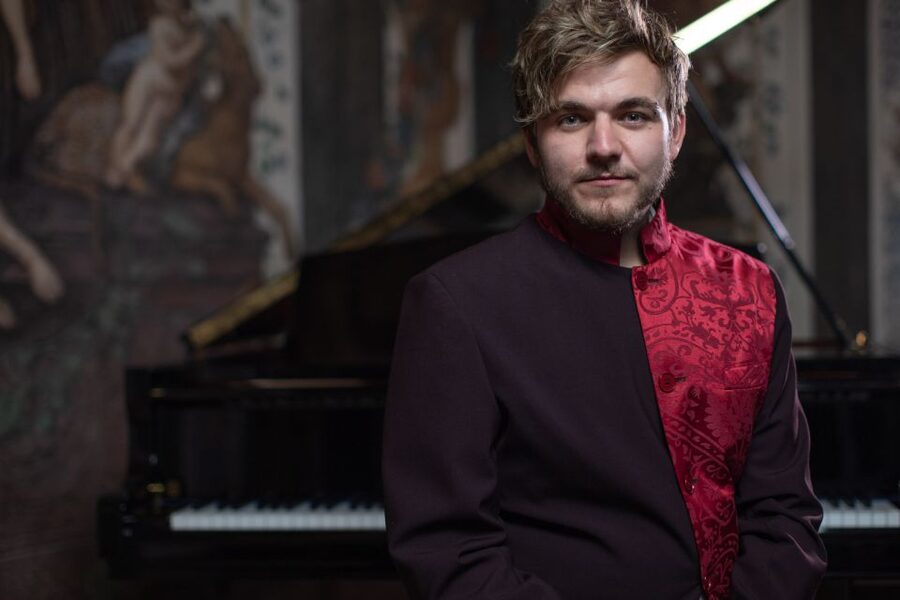
- Mozarthaus in a historic setting: The Sala Terrena frescoes make the whole experience feel like a proper Vienna event.
- Sound quality is the star: Multiple musicians’ reviews point to clear notes and depth, even in a compact space.
- Pick your seat type: Student tickets, back row tickets, and closer seating change how intimate the performance feels.
- A Romantic-heavy mix with surprises: Beethoven, Chopin, Mozart, Liszt, Schubert plus items like Paganini and Saint-Saëns.
- A real ensemble, not just one instrument: Piano, violin, and cello works keep the texture varied throughout.
- Bring a little cash for extras: Refreshments during the break can be a cash-only situation outside, with at least one drink handled differently.
Romantic Classics at the Mozarthaus: a small hall in Vienna’s center
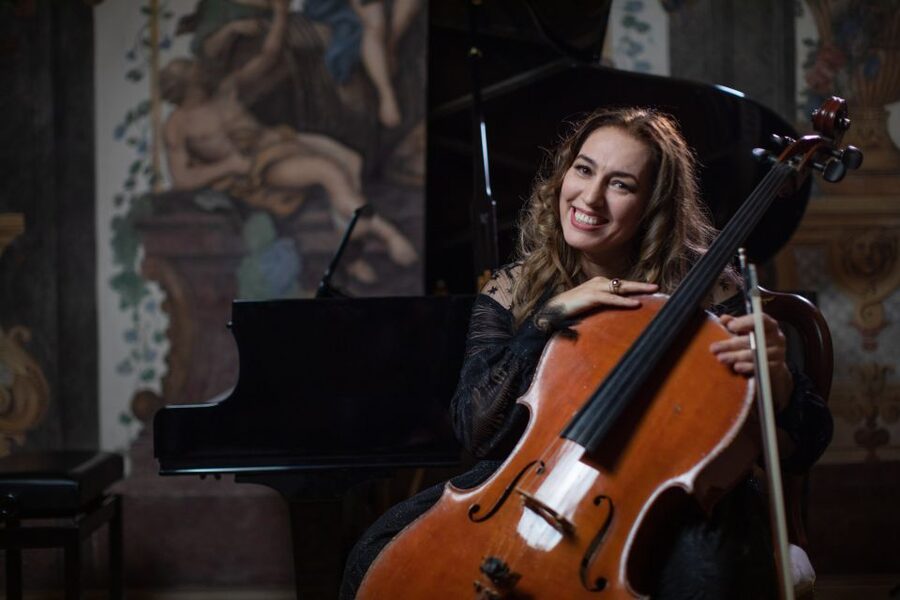
This is one of those concerts where the building matters. You’re not in a giant modern auditorium where everything sounds the same from seat to seat. At the Mozarthaus, you’re in a more intimate historic room, and that changes the listening. You catch the edges of bow changes on the violin, the soft start of a piano phrase, and the way long notes linger instead of fading.
The vibe fits the title Romantic Classics. The music leans emotional and lyrical, but it’s not just slow and pretty. It includes moments of spark and flair, especially when Chopin and Liszt take the spotlight. The result is a program that feels like it has forward motion, even when it’s playing something gentle.
You can also read our reviews of more tours and experiences in Vienna.



Finding the concert venue near St. Stephen’s Cathedral
Logistics are easy here. The venue is about 150 meters from St. Stephen’s Cathedral, so you can pair the concert with a walk through the center. Your meetup point is the gate at Deutschordenskirche. Plan to arrive early and enter through that gate, where you’ll also see a poster stand of concerts at Mozarthaus.
I recommend building in extra buffer because you’ll want to get your bearings fast in a busy tourist area. And if you’re trying to choose the best spot within your ticket category, being early lets you settle without rushing.
Before music starts, there’s a cloakroom. That’s a small detail, but it helps in Vienna, where you might walk in from sightseeing with a jacket or bag that’s better off put away.
Choosing student, back row, or closer seats
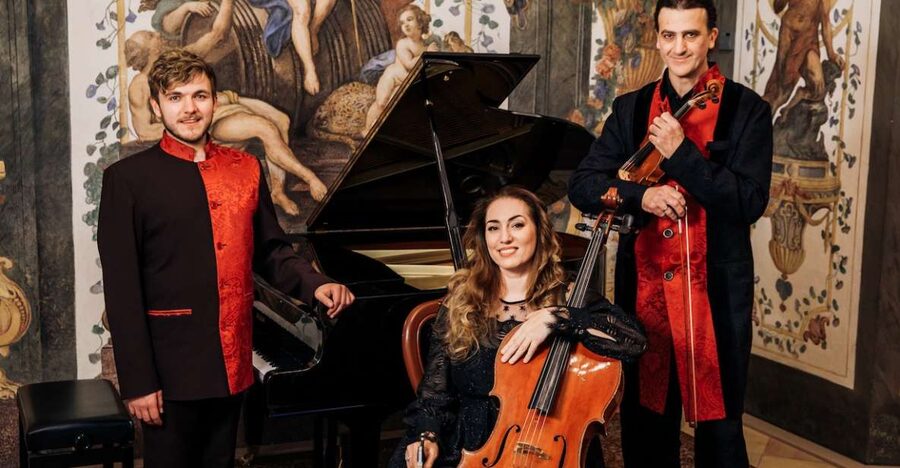
Ticket choice is where you can make or break the “this feels personal” factor. Since the hall is small, distance to the performers matters. Closer seating is the best match for the kind of listening where you want to feel every phrase shaping in real time.
Back row tickets can still work, especially if your main goal is hearing a full, balanced sound. But you may lose some of that fine-grained expression you notice when you’re nearer—things like the exact timing of ensemble accents and the subtle transitions between movements.
If you’re traveling with friends and want to recreate the sense of being part of a small chamber gathering, aim closer. If you’re just trying to hear the big names comfortably and on a reasonable budget, the student or back row categories may be the sweet spot.
The program: Beethoven to Chopin to Schubert (and why the flow matters)
This concert is 90 minutes of music with a Romantic center of gravity, but it’s also cleverly varied. I like the way it moves from reflective to energetic without leaving the emotional thread behind.
J. Haydn: Trio all’ungarese (Hob XV:25)
It starts with Haydn, which is a strong move for opening. The opening work sets rhythm and clarity, and it gives the ensemble a chance to establish tone before the heavier Romantic mood arrives. You get structure early, so later expressions don’t feel random.
The movement titles tell you what to expect: Andante – Poco Adagio – Finale, Rondo. In practice, that means you’re not stuck in one atmosphere for too long—just enough variety to keep your attention.

L. van Beethoven: Moonlight Sonata (Adagio)
Then comes Beethoven’s Moonlight Sonata, the one piece that can make a room go quiet without trying. This movement is slow, but it’s never lifeless. The slow pacing invites you to listen for phrasing—how the pianist shapes each line, and how the ensemble supports without covering the melody.
W. A. Mozart: La tartine de beurre / Das Butterbrot
You also get Mozart in a shorter, lighter slice. That title alone signals playful character. It works as a palate cleanser after the intensity of Beethoven, and it prevents the concert from becoming one long emotional stretch.
L. van Beethoven: Sonate op.2 (Allegro con brio)
Beethoven then returns with energy. Allegro con brio is basically a promise of motion and confidence. This is where you’ll hear more rhythmic bite and sharper ensemble timing. If you like the “mechanics” of classical performance—how togetherness happens on fast passages—this is a highlight.
F. Liszt: Un sospiro
Liszt’s Un sospiro is brief, but it carries weight. It’s the kind of piece where the player’s control matters more than volume. Expect an emotional line that feels like breath—very Romantic, very expressive.
F. Chopin: Nocturne in c minor op.48/1 and Étude op.10/1 in C major
Chopin shows up twice, and that’s a gift. First the Nocturne in c minor gives you that introspective, nocturnal tone. Then the Étude in C major shifts the mood to virtuosity and precision.
I like this pairing because it shows Chopin’s range: one piece is about mood and singing, the other is about technique and sparkle. Together they give you a balanced Chopin portrait, not just one side.
J. S. Bach: Cello Suite in G major (BWV 1007–Allegro)
Bach gives the program a different kind of beauty. The cello suite movement adds grounded resonance. Even if you’re not a hardcore classical fan, you’ll likely feel the difference—Bach’s lines tend to be clean and architectural, even when played with feeling.
N. Paganini: Caprice 13
Then you get Paganini’s Caprice 13, which is famous for demanding playing. This is one of the moments where the room tends to react, because technical control is hard to fake. Expect speed, clarity, and musical personality all at once.
C. Saint-Saëns: The Swan
The Swan is the emotional reset button. It’s graceful, fluid, and instantly recognizable to many people. If you’ve been focused on hearing technique earlier, this is where you can sit back and enjoy the pure sound.
J. Massenet: Thais – Meditation
Meditation brings another lyrical, Romantic mood. You’ll likely hear tenderness in the phrasing and a gentle shaping of dynamics—like the music is quietly breathing rather than forcing emotion.
F. Schubert: Trio in Es Major op.100 (Andante con moto)
The Schubert finale (or near-finale, depending on how the concert is structured) wraps the program in a warm, human way. Andante con moto means it moves while staying calm. This is a strong closing approach because it leaves you with melody and emotional aftertaste, not just noise or fireworks.
Featured artists: what their names signal about the performance
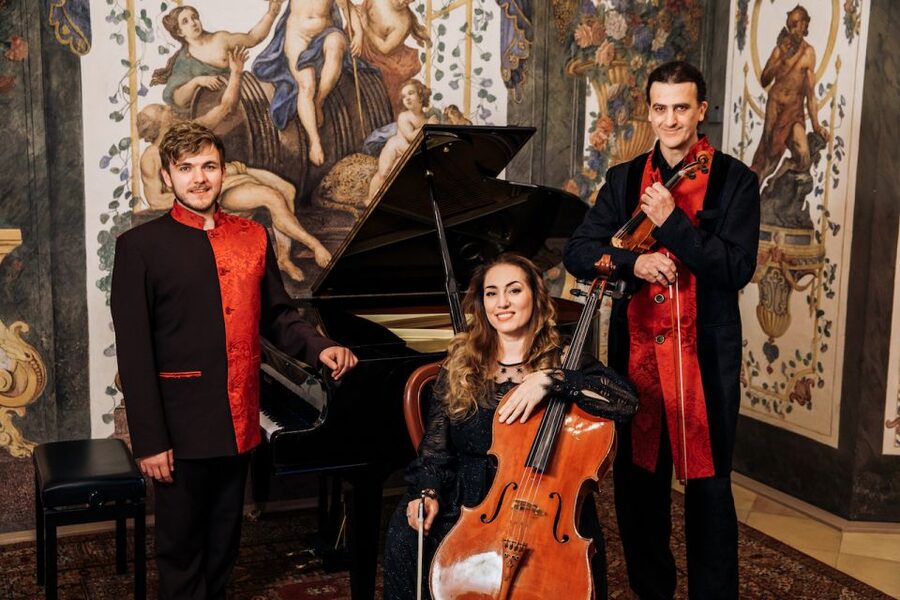
The performers are a big part of the value here, and you can tell the lineup is built around interpretive depth.
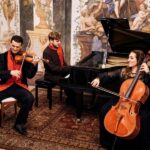
- Claudio Bentes, the violinist, is front and center in a Romantic Classics setting. Expect expressive bow work and a singing tone that fits the lyrical repertoire.
- Dushan Sretovic, described as a multiple award-winning piano virtuoso, anchors the piano writing. His Chopin interpretations are specifically highlighted, which is exactly what you want for a program heavy on nocturnes and études.
- Teodora Miteva is an outstanding soloist with many international competition wins. When a soloist with that kind of background appears on a chamber-style program, you should expect confident musical choices rather than just technical display.
Even when you don’t know every composer, this kind of lineup usually makes the pieces easier to love because the musicians communicate clearly. You get more than notes—you get intent.
Value for $69: what you really pay for
At $69 per person for a 90-minute concert, you’re paying for three things: a top-tier program, a performance format that stays intimate, and a venue experience that feels unmistakably Vienna.
If you like classical music, you’ll recognize a common issue in big-city concerts: you can spend money and still feel far away. Here, the small room and the emphasis on closeness (with closer seating options available) improve your odds of hearing nuance, not just volume.
The cloakroom included is also practical. It’s not a headline feature, but it can save time and hassle. And the overall program does what a good concert should do: it keeps you interested with variety while staying inside a coherent Romantic emotional world.
Break time, toilets, and the refreshment reality check
Most concerts have a pause, and this one does too—long enough for people to use the toilets and grab something to drink. One practical note from experience on-site is that toilet signage could be clearer, so if you’re the sort who likes to know where things are before you need them, go early during the pre-concert window.
Refreshments are another small reality check. The setup can feel a bit split: you may have an included drink, while additional refreshments are reportedly available with a cash-only approach outside during the break. If you want a smoother experience, keep a little cash on hand just in case.
Who should book this Vienna piano, violin, and cello concert
This is a strong fit if you want:
- A 90-minute classical concert in the center of Vienna
- Romantic-focused repertoire with big names (Beethoven, Chopin, Mozart, Liszt, Schubert, Brahms connections)
- A venue where you’re close enough to catch expression, not just sound
It’s also a good choice if you’re traveling with someone who likes music but doesn’t want a lecture-heavy experience. This concert format is performance-first, and the program changes mood often enough to keep attention.
If you’re very picky about seating, pick the closer or student option carefully based on what matters most to you. In a small hall, that choice affects how the music lands.
Should you book this Vienna Romantic Classics concert?
Yes, you should book it if you want a classic Vienna evening that feels personal rather than anonymous. The combination of a small, historic venue, standout acoustic reports, and a packed Romantic program makes the value feel real, not just theoretical.
Book it especially if you’re excited by Beethoven’s Moonlight Sonata, Chopin’s nocturne and étude pairing, and the emotional shift into Schubert at the end. Just do yourself a favor: arrive on time (or a bit early), pick your seat category intentionally, and consider bringing a little cash for any break snacks or drinks.
If you want me to tailor advice, tell me your travel dates and what you care about most: closest seats, best acoustics, or a calmer, more budget-friendly option.
FAQ
How long is the Vienna Romantic Classics concert?
The concert lasts 90 minutes.
Where is the meeting point for the Mozarthaus venue?
The venue is about 150 meters from St. Stephen’s Cathedral. Enter the gate at Deutschordenskirche, where you’ll also find a poster stand of concerts at Mozarthaus. Arrive 15 minutes early.
What music is included in the program?
The program includes works such as Beethoven’s Moonlight Sonata and Sonate op.2, Chopin (Nocturne in c minor op.48/1 and Étude op.10/1 in C Major), Mozart, Liszt (Un sospiro), Haydn, Bach (Cello Suite in G major BWV 1007–Allegro), Paganini (Caprice 13), Saint-Saëns The Swan, Massenet Thais – Meditation, and Schubert.
Are there different seating options?
Yes. You can choose from student tickets, back row tickets, and tickets that are closer to the performers.
What is included with the ticket?
The ticket includes the concert and a cloakroom.
What languages are used by the host or greeter?
The host or greeter is available in English and German.