REVIEW · SINTRA
Sintra Walking Tour: Romantic Village & Palaces
Book on Viator →Operated by Ó turista! Tours and trips · Bookable on Viator
Sintra feels magical on a footpath. This 2h15 walk strings together the town’s palace-style architecture and classic queijadas stops with a local guide who knows the details behind what you’re seeing.
I like the pacing too: a light walk, frequent breaks, and lots of short photo moments. A small heads-up is that two major sights come with separate entry tickets, so you’ll want to budget for the National Palace and Quinta da Regaleira.
Guides such as Stephanie and Julio have been praised for clear English and for pointing out the “why” behind Sintra’s buildings, not just the “what.” If you like history that you can see with your own eyes, this format makes sense.
In This Review
- Key points to know before you go
- Why this Sintra walk is a smart way to start
- From Camara Municipal de Sintra to Queijadas da Sapa: your first flavor of the day
- Moorish Fountain and Centro Histórico: where Sintra’s style shows up fast
- Pelourinho and Church of São Martinho: symbolism and quiet contrast
- Sintra National Palace: the iconic chimneys and what you must budget
- Casa Piriquita, Hotel Lawrence, and a smart pastry-to-architecture rhythm
- Quinta da Regaleira and the Initiation Well: the spooky-sublime moment
- Seteais for panoramic views: the photo stop that makes everything click
- The $3.62 price tag: where the real value comes from
- Meeting point, timing, and how the day flows on the ground
- Who should book this walking tour in Sintra?
- Should you book this Sintra Romantic Village & Palaces walk?
- FAQ
- FAQ
- How long is the Sintra Romantic Village & Palaces walking tour?
- What language is the tour offered in?
- What is included in the tour price?
- Are tickets for the National Palace and Quinta da Regaleira included?
- Does the tour include lunch or snacks?
- Where does the tour start and end?
- How large are the groups?
- Is a mobile ticket used?
- What happens if the weather is bad?
- Are service animals allowed?
Key points to know before you go
- Two paid highlights, lots of free context: National Palace and Regaleira interiors cost extra, but much of the tour includes free stops for photos and orientation.
- Pastry culture is built in: you get a planned pause for classic Sintra sweets, with tasting noted as included while actual consumption is not.
- Architect-style explanations: the guide is described as trained in architecture, so you’ll get detail on tiles, styles, and design.
- A small-group feel: up to 25 people, with an extra guide added for groups over 20.
- Photo-perfect stops: Moorish Fountain, the town’s historic center, and the Seteais viewpoint are timed for easy sightseeing.
Why this Sintra walk is a smart way to start

Sintra is one of those places where you can spend hours just finding your bearings. This walking tour gives you a tight route through the town so you understand where the palaces fit into the village—and how the architecture styles changed over time.
You also get a good mix of “look and learn” and “snack and reset.” The itinerary includes landmark exteriors and courtyards you can appreciate on foot, plus a pastry stop that keeps the day from feeling like museum mode.
You can also read our reviews of more tours and experiences in Sintra.



From Camara Municipal de Sintra to Queijadas da Sapa: your first flavor of the day

You start at Café Saudade on Av. Dr. Miguel Bombarda. It’s a practical choice because it puts you right in the middle of town so the walk can start quickly.
The first stop is the Câmara Municipal de Sintra (Town Hall), known as Paços do Concelho. Built between 1906 and 1909, it mixes neo-Manueline and neo-Romanesque touches. You’ll see the tower with decorative tiles, plus elements like the Cross of Christ and the national coat of arms crowned by an armillary sphere. Inside, there’s a two-story cloister area with detailed decoration.
After that comes a totally different side of Sintra: Queijadas da Sapa at the Fábrica de Queijadas da Sapa, tied to confectionery traditions going back to 1850. The point here isn’t just eating—it’s learning how local specialties became part of Sintra’s identity. You’ll get a short look at the artisanal process and, importantly, a tasting pause is part of the tour (consumption is noted separately).
Tip: If you’re sensitive to sugar, pace yourself. The day has several other sweet-related stops, and you’ll enjoy the palace sections more with a lighter stomach.
Moorish Fountain and Centro Histórico: where Sintra’s style shows up fast
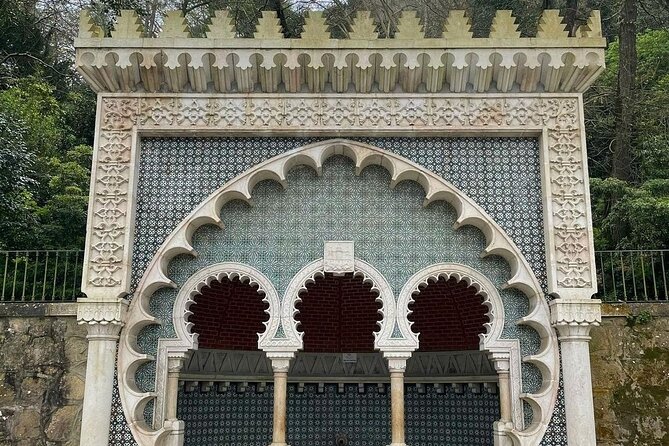
Next is the Moorish Fountain, a small public fountain with Moorish-inspired design, patterned details, and colorful tiles. It’s the kind of stop that works even if you’re not big on monuments—because it’s visually specific and quick to enjoy. You also get the nice break a fountain stop should provide: step in, admire the tilework, grab a photo, move on.
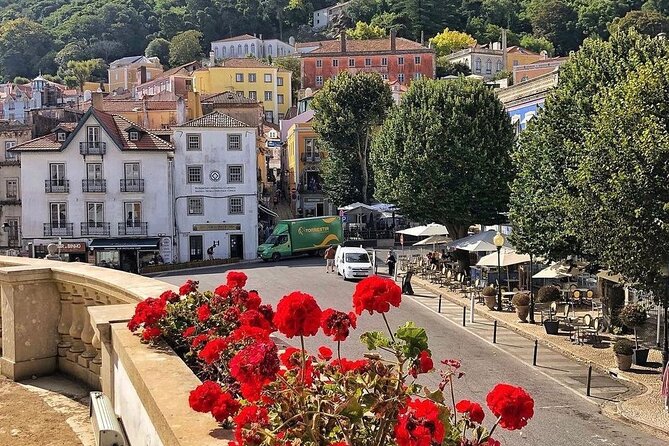
Then you move into Centro Histórico de Sintra, the historic core with narrow winding streets. This is where the tour shifts from “big landmark” to “street-level atmosphere.” You’ll pass souvenir shops and cafés, and the streets naturally pull you toward balconies, colorful façades, and the smell of pastries from nearby bakeries.
For me, this section is key because it helps you understand Sintra as a living town—not just a list of palaces. It also gives you time to spot landmarks you might want to revisit later once you know the layout.
Pelourinho and Church of São Martinho: symbolism and quiet contrast

In the town’s central square you’ll see the Pelourinho de Sintra, a stone pillory dating back to the 16th century. It’s not there to be cute; it reflects themes of freedom, justice, and local administrative autonomy over time. Historically it served as a public site for punishments, which can feel heavy—yet it also explains why symbols like this still exist as reminders of how towns governed themselves.
Right near the palace area, the tour includes Igreja de São Martinho (Church of São Martinho). This one is more understated. The church offers simple architecture and a calmer feel, and it’s a good counterweight after the more theatrical palace style you’ll see later. It’s also an easy stop because it fits neatly into the walking route without forcing extra detours.
Practical note: If you’re short on time, church stops are worth it here because they add context without eating your whole schedule.
Sintra National Palace: the iconic chimneys and what you must budget
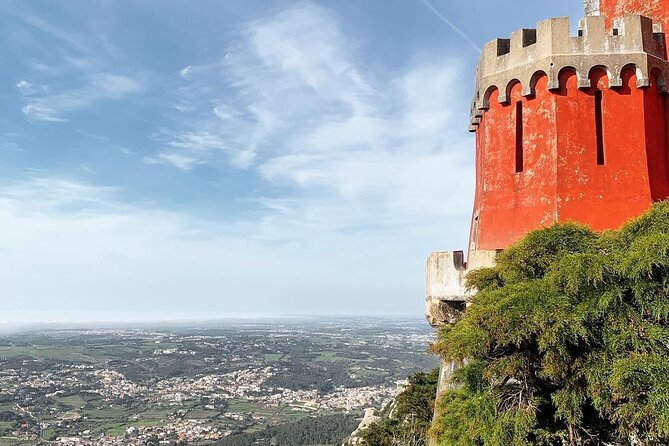
The tour’s major palace stop is Sintra National Palace, the one with the distinctive conical chimneys that shape the skyline. From the outside, it’s easy to recognize—so even if you only wanted an exterior photo, you’d feel like you got something.
Inside, the palace reflects the blend of Gothic, Manueline, and Moorish influences, and the interiors are known for ornate halls and decorative tile details. This is the big “pay-off” moment for a lot of people because it connects the village setting to royal residence grandeur.
Here’s the key planning point: the National Palace entrance ticket is not included. The listed price is €13.00 per person, so you’ll want to factor that into your total cost.
When it works best: Go in ready to look up and pay attention to surfaces—tiles and decorative detailing are where the palace becomes memorable.


Casa Piriquita, Hotel Lawrence, and a smart pastry-to-architecture rhythm
After the palace, the tour keeps you in the village center with stops that feel like Sintra’s “daily life” side.
You’ll visit Casa Piriquita, famed for travesseiros and queijadas. This is one of the best-known sweet names in Sintra, and the shop stop is a nice reset. The tour format makes sense here: you’ve just absorbed heavy palace design, and now you get flavors that locals and visitors associate with the town.
Then there’s Hotel Lawrence (often called Hotel Lawrence), noted as the oldest hotel in Sintra, inaugurated in 1764. It’s described as a historical landmark with classic architecture and an atmosphere that connects the hotel to Sintra’s literary and artistic reputation over time. Even if you don’t plan to stay here, it’s a useful stop because it shows how Sintra became a destination for people seeking inspiration.
These sections also help you pace your day. You’ll get architecture context, then a break, then more history.
Quinta da Regaleira and the Initiation Well: the spooky-sublime moment
Next is Quinta da Regaleira, a UNESCO World Heritage Site and one of the most symbolic estates in Sintra. The gardens include secret-feeling pathways, grottoes, fountains, and a lot of walking within the property, so it’s perfect for people who love “follow the clues” style exploration.
The estate palace is part of the appeal too, linked to António Augusto Carvalho Monteiro. The headline attraction here is the Initiation Well—an inverted tower with spiral stairs—often associated with esoteric symbolism (the tour specifically mentions links to Freemasonry and alchemy).
Important for planning: Quinta da Regaleira entrance is not included, with a listed price of €15.00 per person. You’ll also have the option to arrange a guided visit during the tour led by an expert guide who explains the hidden meanings.
Tip: If you’re the kind of person who enjoys symbolism, Regaleira is worth protecting time for. If you’re rushing, the gardens can feel long even when the tour gives you a structured visit.
Seteais for panoramic views: the photo stop that makes everything click
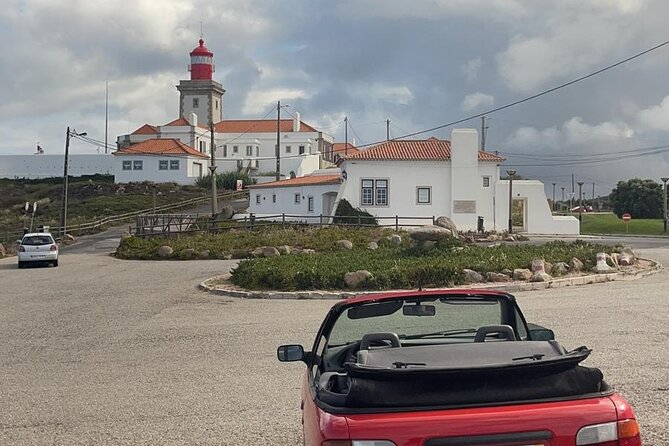
Before you finish, you’ll get Seteais, a hilltop viewpoint designed for photography. The setting is described as offering panoramic views that can include the Sintra mountains, the Pena Palace, and on clear days even the distant Atlantic Ocean.
There’s also a striking architectural backdrop: the grand neoclassical façade with an iconic triumphal arch. The gardens around it offer green labyrinth-style elements, fountains, and sculptures—so you can take photos in both wide-angle and detail modes.
This stop works well as a closer because it pulls the entire day together. You’ve seen palace styles up close; now you see them in relation to the hills and sky.
Weather check: If it’s windy or rainy, your photo time might be shorter. Consider bringing a light layer and something with decent grip underfoot.
The $3.62 price tag: where the real value comes from
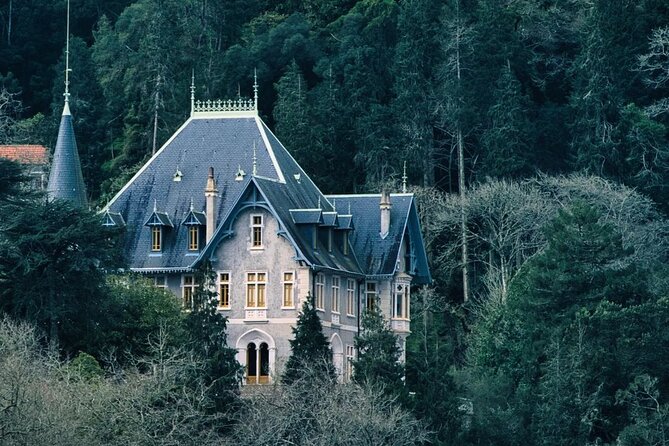
The published price is $3.62 per person, which sounds almost too good to be true. The explanation is that the tour price is primarily covering the local guide (and included insurance), plus the planned pastry-tasting stop.
The two big interior entries—National Palace (€13) and Quinta da Regaleira (€15)—are specifically listed as not included. So your real total cost depends on which entrances you choose to do.
That said, this is still strong value if you want:
- a route you can’t easily map on your own without wasting time,
- architectural interpretation (tilework, chimneys, stylistic mix),
- and a day plan that keeps you from guessing where to go next.
If you already bought both palace tickets and you’re comfortable navigating on foot, you might feel the “extra” is the guide’s explanations and the fact the timing is designed for efficient sightseeing. If you haven’t bought tickets yet, you’ll get a helpful structure first—then decide.
Meeting point, timing, and how the day flows on the ground
The tour runs about 2 hours 15 minutes and is in English. You’ll receive a confirmation at booking, and you’ll use a mobile ticket.
You start and end at the same place: Café Saudade, Av. Dr. Miguel Bombarda 6, 2710-590 Sintra, Portugal. The tour notes that it ends back at the meeting point, which makes it easier to plug into dinner plans afterward.
Group size is capped at 25 travelers, and the format includes a light pace with room for questions and as many stops as needed. The route also adapts for different fitness levels, from gentle paths to slightly more adventurous viewpoints.
If you want the smoothest day: arrive a few minutes early, then treat the tour as your “orientation pass.” After it ends, you’ll know exactly what you want to return to.
Who should book this walking tour in Sintra?
This tour is a great fit if you’re:
- visiting Sintra for the first time and want a clear overview without hopping on transport,
- interested in how architecture blends different styles (Gothic, Manueline, Moorish),
- the type who likes a few structured breaks rather than sprinting from site to site,
- traveling as a couple, a friend group, or a solo traveler who enjoys chatting with a guide.
It’s also stated as suitable for all traveler profiles, and service animals are allowed. The tour is subject to favorable weather conditions, so if rain is likely, bring appropriate gear and keep an eye on day-of updates.
Should you book this Sintra Romantic Village & Palaces walk?
Yes—if you want a well-paced, foot-friendly introduction to Sintra’s best-known landmarks and you appreciate architectural context, this is a smart first move.
Book it especially if you’re budgeting for National Palace and Quinta da Regaleira anyway. The guide’s style (including architecture-focused explanations) helps those entrances feel connected to the village setting instead of like isolated ticket stops.
Skip or rethink it if you hate paying separate entry fees or you’re trying to minimize walking and time outdoors. In that case, you might prefer a format with fewer town stops and fewer exterior sections.
FAQ
FAQ
How long is the Sintra Romantic Village & Palaces walking tour?
It lasts about 2 hours 15 minutes.
What language is the tour offered in?
The tour is offered in English.
What is included in the tour price?
The tour includes all insurance, a local Sintra guide, and a stop to taste Sintra’s traditional pastries (consumption not included).
Are tickets for the National Palace and Quinta da Regaleira included?
No. The National Palace entrance ticket is listed as €13.00 per person, and the Quinta da Regaleira ticket is listed as €15.00 per person, and both are not included.
Does the tour include lunch or snacks?
Lunch and snacks are not included.
Where does the tour start and end?
The tour starts at Café Saudade on Av. Dr. Miguel Bombarda 6, Sintra, Portugal, and it ends back at the same meeting point.
How large are the groups?
The tour has a maximum of 25 travelers. For groups of more than 20, an additional guide is provided.
Is a mobile ticket used?
Yes, the tour uses a mobile ticket.
What happens if the weather is bad?
The tour requires favorable weather. If it’s canceled due to poor weather, you will be offered a new date or a full refund.
Are service animals allowed?
Yes, service animals are allowed.