
REVIEW · KRAKOW
Kraków: Romantic Candlelight Chopin Piano Concert
Book on GetYourGuide →Operated by Walking & talking · Bookable on GetYourGuide
Chopin sounds different in candlelight. This one-hour piano concert brings Fryderyk Chopin (plus other famous composers) into Krakow’s 17th-century Church of St. Bernardine of Siena, a venue that’s usually closed to visitors, so the atmosphere feels special fast. One thing to consider: the concert hall is not wheelchair accessible and the event isn’t suitable for some health situations like epilepsy or being sick.
I love the way the program goes beyond just Chopin. You’ll hear Beethoven, Ravel, Rachmaninov, Debussy, and Bacewicz alongside Chopin, which keeps the music varied and stops the evening from feeling like one long mood.
My other favorite part is the feeling people describe as getting every note clearly, in a quiet, candlelit setting. If you like your classical music emotional and direct, this is the kind of evening that can make you sit up straighter the whole time—just know it’s more about listening than wandering, talking, or bringing extra stuff in with you.
In This Review
- Key things to know before you go
- Candlelit Chopin in Krakow’s St. Bernardine Church
- The venue: why this 17th-century church changes the sound
- What actually happens during the 60 minutes
- The full program: Chopin, plus the composers that frame him
- Candlelight and focus: the real reason people remember this
- Price and value: is $44 worth one hour?
- Rules that affect your night (read this part)
- Who this is best for in Krakow
- A simple way to plan your evening
- Should you book this Chopin candlelight concert?
- FAQ
- How long is the concert?
- Where does the concert take place?
- Is this concert only Chopin?
- What music is included in the program?
- Can I bring my own alcohol?
- Is food included?
- Are pets allowed?
- Is the church hall wheelchair accessible?
- Are children allowed?
Key things to know before you go
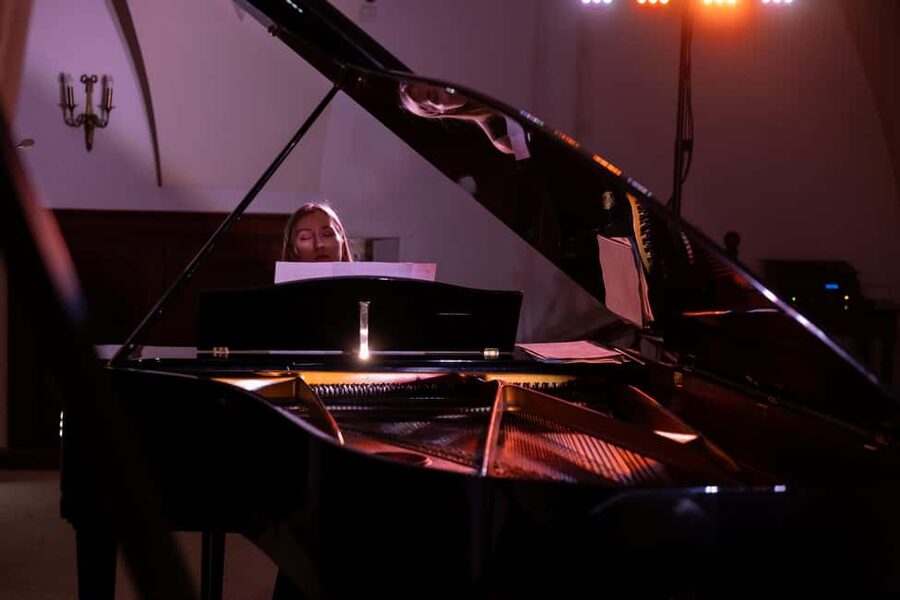
- Rare access: The concert takes place in a part of the Bernardine Monastery that’s normally closed to visitors
- Candlelit setting: Low light and intimate acoustics are built for solo piano
- Not just Chopin: You get a Romantic mix across Beethoven, Chopin, Ravel, Rachmaninov, Debussy, and Bacewicz
- Tight timing: Plan around a one-hour format with a short intermission
- Clear rules: No flash photos, no smoking/vaping, and minimal items are expected
Candlelit Chopin in Krakow’s St. Bernardine Church
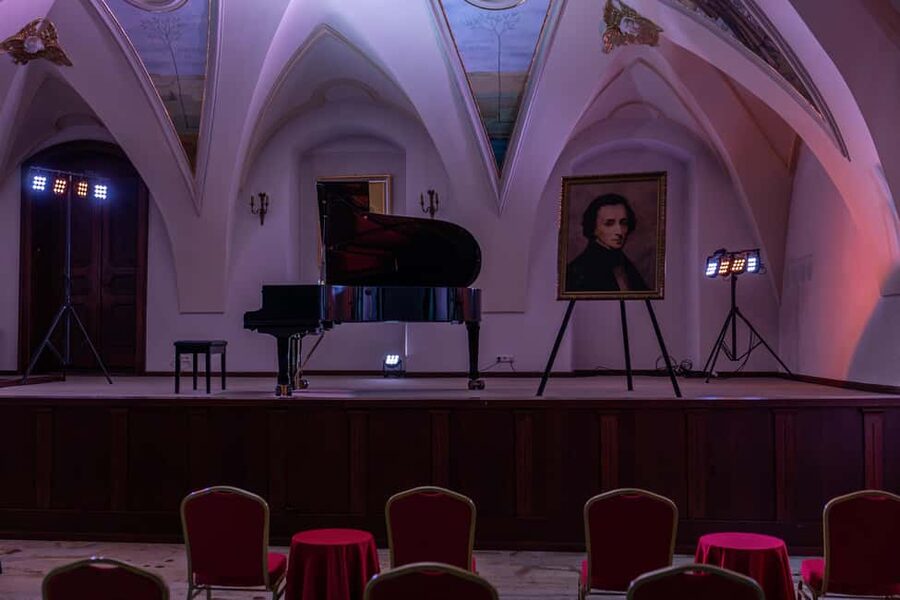
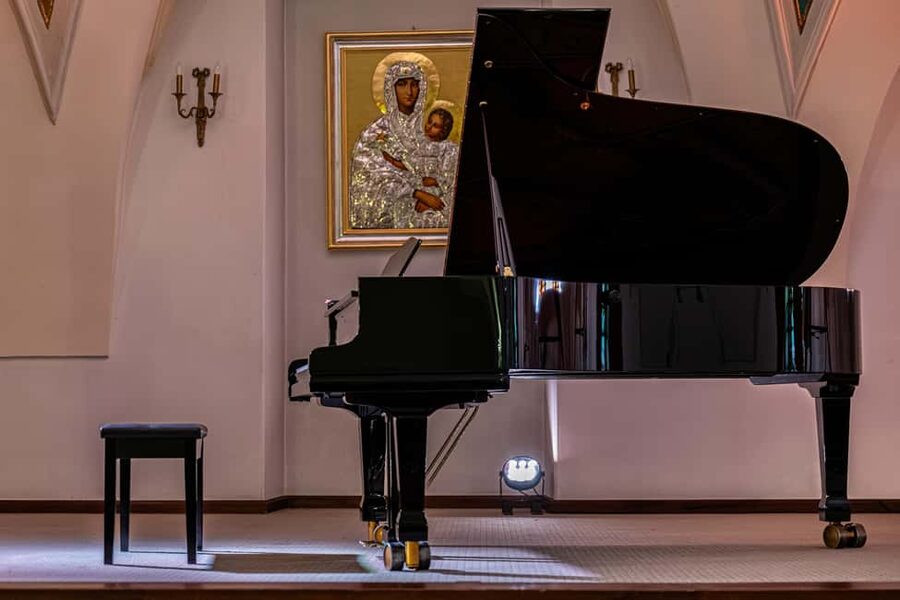
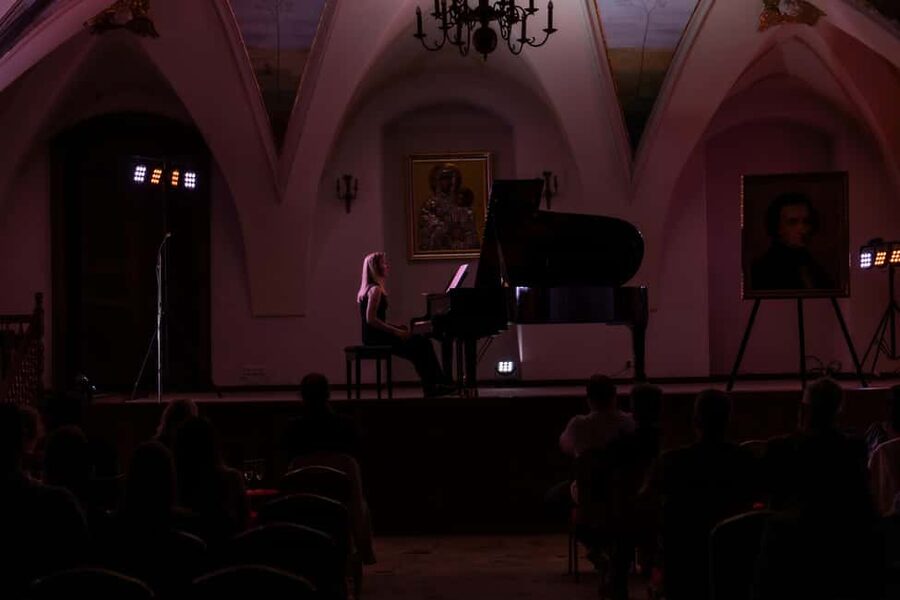
If you picture Krakow after dark, this fits that mood perfectly. The concert takes place in the Church of St. Bernardine of Siena, with a setting that’s described as candlelit and Baroque, in a space that’s normally not open to the public. That matters because you’re not just hearing music in a random hall—you’re hearing it in an old stone room made for awe.
Two things make it especially appealing. First, Chopin’s piano writing—the rubato, the sighs, the delicate turns—usually lands best when you can focus without distractions. Second, the venue’s visual atmosphere (intricate altars, frescoes, and stained glass) supports the emotional tone of Romantic music. It’s the kind of evening where you look up once, then mostly keep your attention on the pianist.
One practical note: this isn’t set up for comfort in the way a modern theater lobby is. The concert hall isn’t wheelchair accessible, and it isn’t designed for people who need extra flexibility once the music starts. If that might be you, check your needs before booking.
You can also read our reviews of more tours and experiences in Krakow.
The venue: why this 17th-century church changes the sound
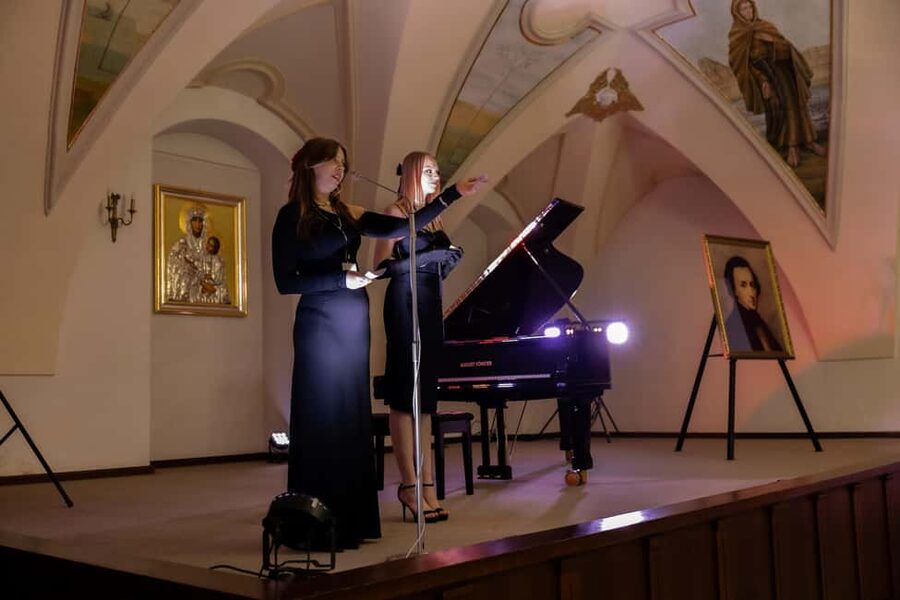
The Church of St. Bernardine of Siena is the star here, and not in a vague way. The event is held in a portion of the church that’s normally closed, which means you’re stepping into a space with real character—not a generic performance room.
The biggest reason this matters is acoustics. Solo piano is extremely sensitive: you hear texture, pedal changes, and the difference between a soft phrase and a quiet ending. A candlelit, intimate setup tends to reduce visual distraction, so your brain can lock onto the rhythm and harmony. That’s exactly the experience many people describe as feeling every note.
You’ll also notice how the room supports the mood of the repertoire. Beethoven’s Sonata in E-flat Major (Op. 31 No. 3) starts things with structure and clarity, then the program moves toward Chopin’s more lyrical language. Later, the music shifts again with composers like Ravel, Debussy, and Rachmaninov. In a large, noisy hall, those mood changes can feel separated. In a Baroque church space, they often feel like one continuous story.
What actually happens during the 60 minutes
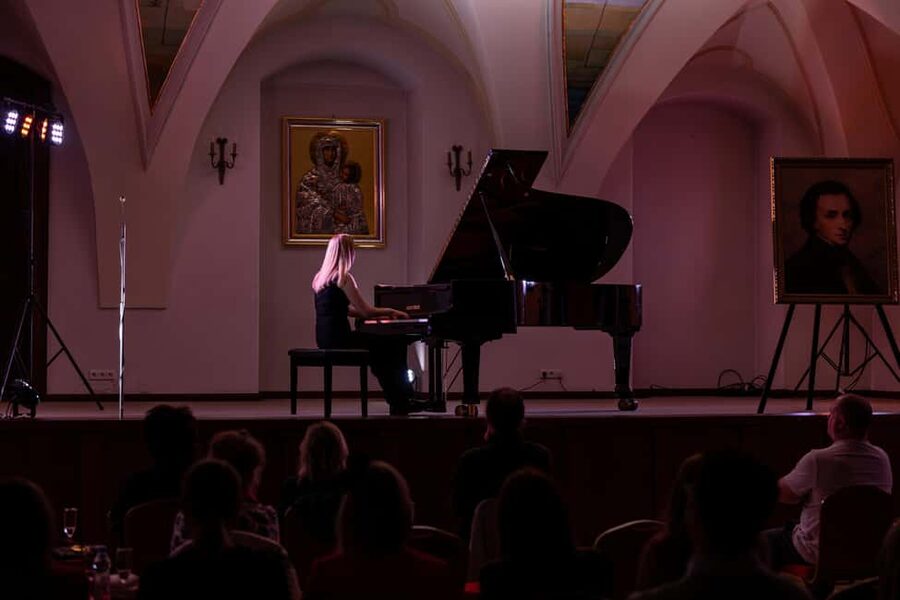
The concert is short. It’s built to last about an hour, with a short break in the middle. That’s a good thing for first-timers because you don’t have to commit to a long evening, and you won’t feel like you’re waiting around while the city does its after-hours thing outside.
Here’s the flow you can expect:
- Welcome and introduction to the composers featured in the program
- Introduction of the performer
- First concert performance
- Short intermission
- Second concert performance
Even though it’s one hour total, this structure helps you listen better. The introductions act like a map. When you know what’s coming, you catch details you might otherwise miss—especially with pieces that shift character quickly, like Chopin’s Ballade No. 1 or Debussy’s etude.
The full program: Chopin, plus the composers that frame him
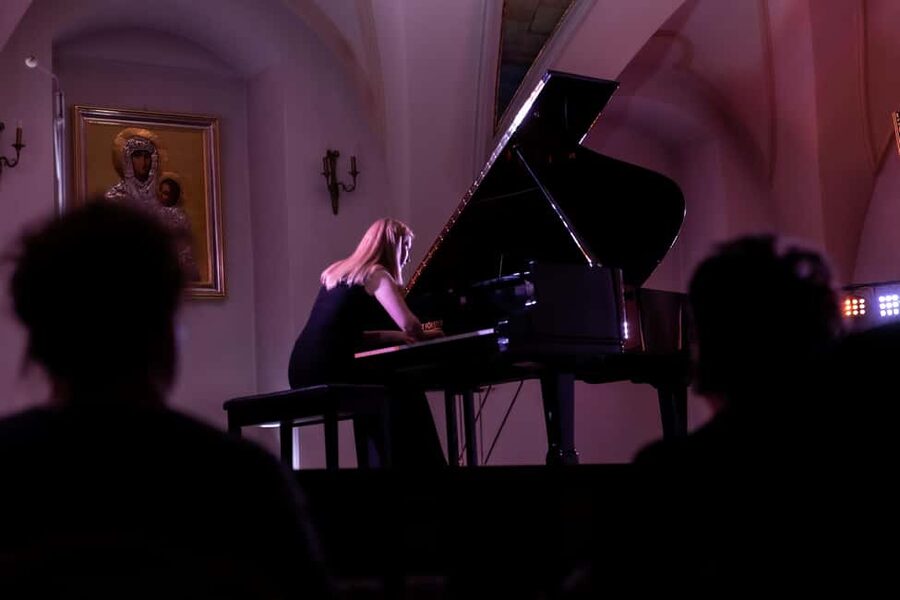
Chopin is central, but the program is designed so his music doesn’t sit alone. Here’s the set of works listed for the evening:
- Beethoven – Sonata in E-flat Major, Op. 31 No. 3 (1st movement)
- Chopin – Etude Op. 10 No. 8
- Chopin – Ballade No. 1 in G minor, Op. 23
- Chopin – Mazurka Op. 17 No. 4
- Chopin – Preludes Op. 28 No. 4 & No. 28 No. 6
- Ravel – Valses nobles et sentimentales (No. 1 & 2)
- Rachmaninov – Étude-Tableau Op. 39 No. 8
- Debussy – Étude No. 1 (Pour les cinq doigts d’après Monsieur Czerny)
- Bacewicz – Piano Sonata No. 2
What I like about this line-up is the emotional “color” it creates around Chopin. Beethoven gives you a disciplined start. Then Chopin moves into technique and drama—etudes that sharpen, mazurkas that dance, preludes that feel like snapshots.
Ravel is a clever turn because those valses nobles and sentimentales bring elegance and a more stylized lightness. Rachmaninov adds intensity and weight, which makes his etude-tableau a real contrast piece. Debussy changes the texture again, with a writing style that feels more about sound-color than big romantic gestures. And Bacewicz brings a later-leaning energy into the mix, rounding out the evening so you don’t leave only with one composer’s world in your head.
If you’re a Chopin fan, this programming keeps you from getting numb. If you’re new to Chopin, the surrounding composers help you hear why he became such a benchmark for Romantic piano—because the contrasts make his voice clearer.
Candlelight and focus: the real reason people remember this
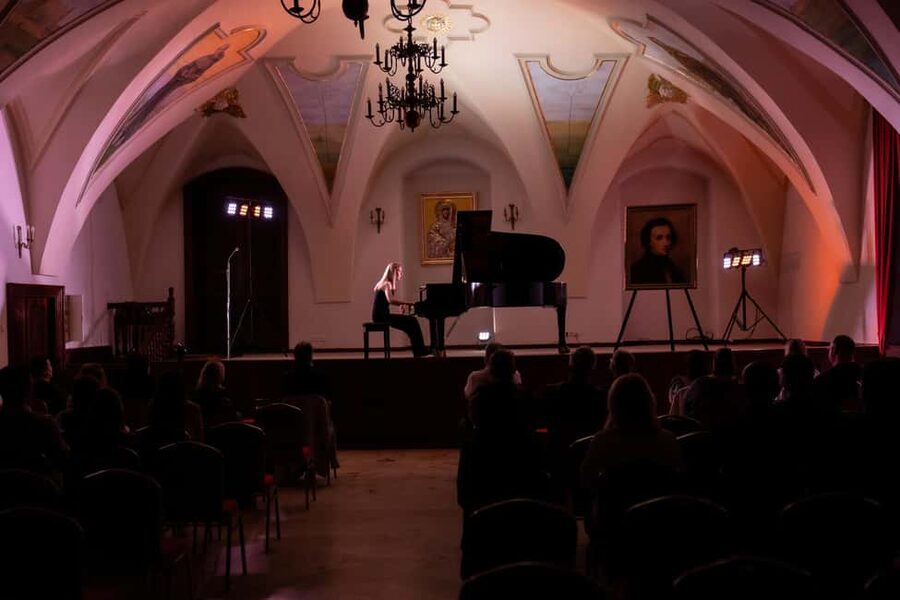
This is a listening-first experience. No food is included, and the venue rules are strict—flash photography is not allowed, and you’re expected to keep things quiet. That doesn’t just follow “the rules.” It changes how the music lands.
Candlelight does a few practical things:
- It encourages you to settle in rather than multitask.
- It keeps attention on the performer and the piano.
- It makes the room feel ceremonial, which pairs naturally with Chopin’s emotional swing.
Many people get specific about it: they mention that Chopin sounds more alive, and that they felt the performance in a very direct way. That tracks with the setup. When you combine solo piano in an intimate church with low distractions, the small dynamics matter. You hear the shape of a phrase, not just the notes.
Also, the evening is described as paired with wine. You can’t bring your own alcohol inside, so if wine is part of your plan, go in expecting the venue will handle it. And if you’re not a wine person, don’t worry—the concert is the main event. You’ll still be able to enjoy the music fully.
Price and value: is $44 worth one hour?
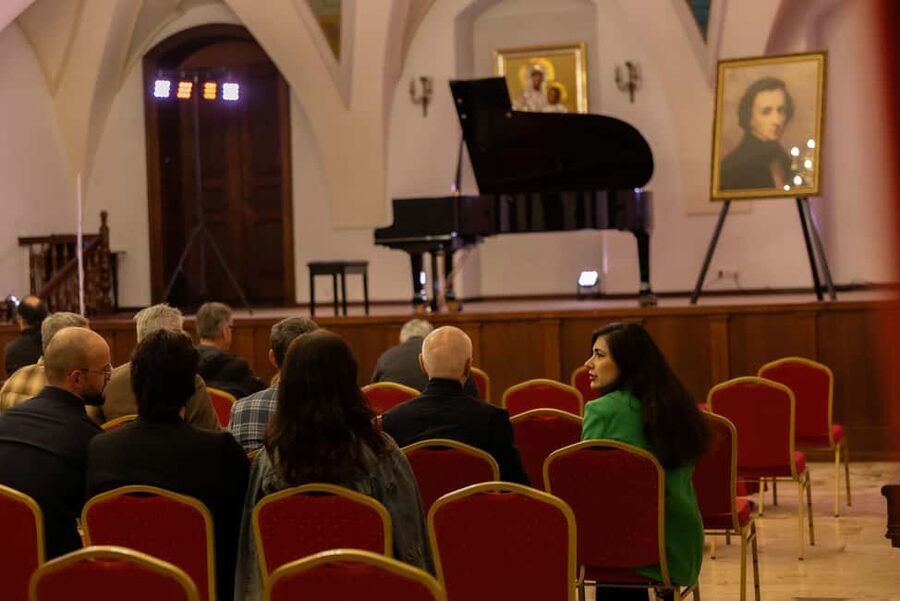
At about $44 per person for a one-hour concert, the price can look either expensive or fair—depending on what you compare it to.
Here’s what makes it feel good value:
- You’re paying for rare access to a part of the monastery that’s normally closed.
- The evening includes entrance to the Bernardine Monastery plus the concert experience.
- You’re getting a full program of piano repertoire, not background music.
What’s not included is also clear: there’s no food. If you’re coming hungry, you’ll want to eat before you arrive. Also, you can’t bring your own alcohol, and you won’t have storage for large luggage or bags, so plan light.
If you’re trying to decide between a generic concert and a setting like this, the setting is the difference. You’re not just buying music. You’re buying the feeling of time and place—Baroque architecture under candlelight, with the piano right there in front of you.
Rules that affect your night (read this part)
Concert rules aren’t usually a big deal—until they ruin your plans. This one has a longer list, mostly because it’s a quiet, formal church performance.
Here are the key restrictions that can affect what you bring:
- No pets
- No hats
- No luggage or large bags
- No flash photography
- No smoking or vaping, including indoors
- No chewing gum
- No making noise
- No flashlights
- Bare feet are not allowed
Two more “plan ahead” points:
- The concert hall is not wheelchair accessible.
- You can’t bring your own alcohol inside the hall.
Also note: it’s listed as not suitable for children under 10. It’s also not suitable for people with epilepsy, people who are hearing-impaired, people with a cold, and wheelchair users. Weight is capped at 287 lbs (130 kg). If any of those apply to you, it’s worth checking carefully before booking.
Who this is best for in Krakow
This is best for you if you:
- Love Chopin or want an evening where Chopin is the headline without being the whole story
- Prefer quiet, focused listening over a party atmosphere
- Enjoy classical music in historic spaces, where the architecture adds to the mood
- Want a short night plan that’s easy to fit into an itinerary
It’s not a great fit if you:
- Need wheelchair access (the hall isn’t accessible)
- Are bringing children under 10
- Have epilepsy or are dealing with a cold
- Need hearing support that the event isn’t set up for
Because it’s only an hour, it also works well on nights when you want something cultural but don’t want your schedule stretched.
A simple way to plan your evening
Since this is a one-hour concert, your best move is to build the rest of your night around it rather than cramming around it.
- Eat beforehand, since food isn’t included.
- Bring the minimum you can manage—no large bags, no extra bulky items.
- Plan to follow the quiet rules once you arrive.
- Expect English introductions (the experience is listed in English).
If you’re trying to catch Krakow’s nightlife, treat this as the anchor. It’s the kind of event where you’ll want your energy and attention, not your to-do list.
Should you book this Chopin candlelight concert?
If your idea of a perfect Krakow night includes Chopin played well in a historic church you can’t usually visit, then yes, it’s an easy “go.” The whole experience is built for emotional listening: candlelight, a Baroque space, and a program that doesn’t get stuck on one mood.
I’d only hesitate if you need accessibility support, you’re traveling with someone who doesn’t do well in quiet formal settings, or you’re dealing with health constraints listed as not suitable (like epilepsy or being sick). For everyone else, this is a thoughtful, focused use of time—one hour that can genuinely feel memorable.
FAQ
How long is the concert?
The concert lasts about 1 hour. Starting times depend on availability.
Where does the concert take place?
It takes place in Krakow, at the Church of St. Bernardine of Siena, in the Bernardine Monastery area.
Is this concert only Chopin?
No. While Chopin is a central figure, the program also includes works by Beethoven, Ravel, Rachmaninov, Debussy, and Bacewicz.
What music is included in the program?
The listed works include Beethoven Sonata Op. 31 No. 3 (1st movement), Chopin Etude Op. 10 No. 8, Chopin Ballade No. 1, Chopin Mazurka Op. 17 No. 4, Chopin Preludes Op. 28 No. 4 and No. 6, Ravel Valses nobles et sentimentales (No. 1 & 2), Rachmaninov Étude-Tableau Op. 39 No. 8, Debussy Étude No. 1, and Bacewicz Piano Sonata No. 2.
Can I bring my own alcohol?
No. You can’t bring your own alcohol inside the hall.
Is food included?
Food is not included.
Are pets allowed?
Pets are not allowed.
Is the church hall wheelchair accessible?
No. The concert hall is not wheelchair accessible, and it’s listed as not suitable for wheelchair users.
Are children allowed?
It’s not suitable for children under 10.