REVIEW · BILBAO
Year of Love in Bilbao: Self-Guided Romantic Puzzle Quest
Book on Viator →Bookable on Viator
One-hour love map, solved at your pace. This self-guided Bilbao game blends famous sights like the Guggenheim with romance-themed puzzles that reveal words in Euskera, Europe’s oldest living language. Two things I really like: it keeps you moving through the city with purpose, and it lets you pause and linger at each stop instead of rushing.
The only real drawback to keep in mind is clarity. One puzzle run can go smoothly, but if the first challenge is hard to locate or confusing on your phone screen, it can slow the whole game and stop you finishing.
In This Review
- Key things to know before you start
- Why a love-themed puzzle route works in Bilbao
- How the Questo app game unfolds (and what to watch for)
- Stop 1: Parque Doña Casilda Iturrizar to set the mood
- Stop 2: Museo de Bellas Artes for an art-and-language rhythm
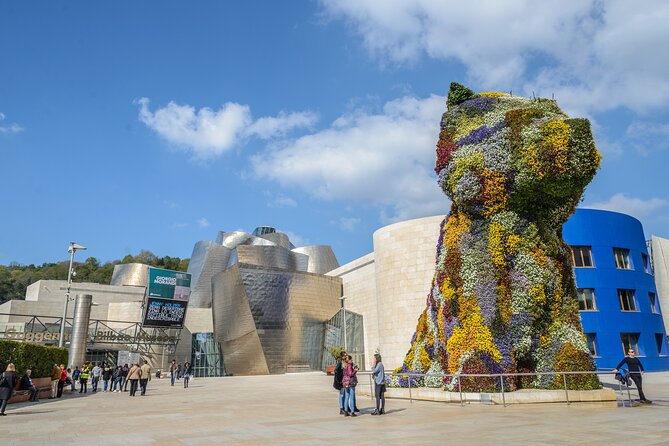
- Stop 3: Puppy for an instant, iconic photo moment
- Stop 4: Guggenheim Museum Bilbao for the biggest payoff
- Stop 5: Zirgariak/Las Sirgueras as the quirky mid-route twist
- Stop 6: Zubizuri for a quick reset and a scenic pause
- Stop 7: Campo de Volantín Pasealekua (No. 17 area) for the story momentum
- Stop 8: Jorge Oteiza sculpture finish for a satisfying end point
- Price and logistics that actually affect your wallet and your mood
- Tips for finishing the story without frustration
- Who should book this Bilbao love puzzle quest
- Should you book Year of Love in Bilbao
- FAQ
- FAQ
- How long does this self-guided quest take?
- Do I need a tour guide for Year of Love in Bilbao?
- What app do I use to play the game?
- Are admission tickets included for the stops?
- Is it stroller and dog-friendly?
- Where do I start and where do I finish?
- What is the cancellation policy?
Key things to know before you start
- Euskera word puzzles: you solve riddles to piece together a story using romance words in Euskera
- At-your-own-pace pacing: you can spend as much time as you wish at each spot before the next clue
- Major Bilbao landmarks, plus oddball stops: you hit the Guggenheim and Museo de Bellas Artes, plus sites with playful names
- Self-guided means less crowd pressure: open air, and you avoid guided-group bottlenecks
- Families and pets fit in: stroller and dog-friendly, and service animals are allowed
- Mobile ticket with the Questo app: the whole experience runs from your phone, 24/7
Why a love-themed puzzle route works in Bilbao
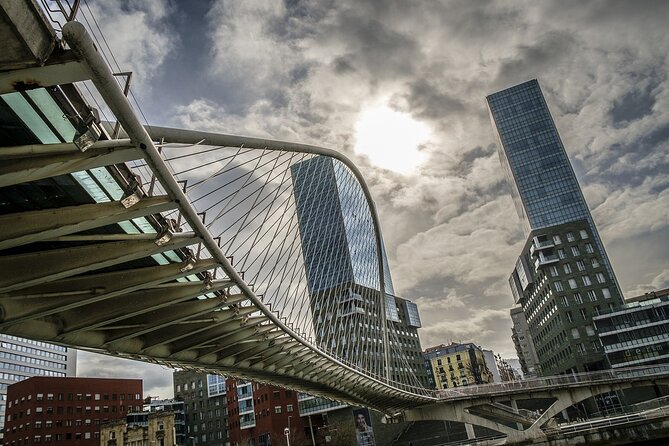
Bilbao is at its best when you slow down just a bit and let the streets explain themselves. This “Year of Love” quest does that by turning sightseeing into a sequence of mini missions, so you’re not just looking at buildings—you’re reading the city like a message.
What makes it fun is the mix of scale. You get the big hitters (art stops tied to Bilbao’s modern identity) and also quieter, more specific points that don’t usually show up on a quick photo list. And because the story uses Euskera romance words, you get a language angle that feels different from a standard walk.
You also get control. You decide when to step forward to the next clue, when to stop for a breath, and when to take your time at a place that clicks for you. That matters in Bilbao, where weather and energy can change fast.
How the Questo app game unfolds (and what to watch for)
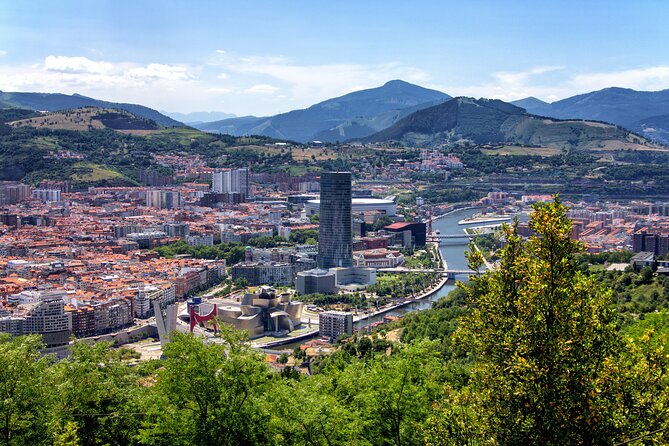
This is a phone-based exploration game on the Questo app, with full availability every day of the year and flexibility to start and take breaks. There’s no tour guide, so the app is your guidebook, map, and puzzle host all in one.
The loop is simple:
- Follow a clue to reach the next spot
- Solve a puzzle there
- Use the results to get the next romantic word(s) in Euskera
Each stop is built as a short arrival moment plus open-ended time. Even though the itinerary lists about 5 minutes per stop, you can spend as long as you want at a location before starting the next clue. For me, that’s the practical charm: you’re not locked into a strict schedule once you get to a point that you like.
The one thing I’d plan for is frustration risk at the start. There’s a clear theme from user feedback: if the first challenge isn’t worded well or is hard to find, the rest of the quest can feel delayed. So when you begin, give yourself extra patience and double-check your phone settings before you commit to the route.
Stop 1: Parque Doña Casilda Iturrizar to set the mood
You start at Parque Doña Casilda Iturrizar in the Abando area. The game doesn’t just drop you at a landmark and say go—it asks you to follow a clue and solve a puzzle first, which sets the tone for the whole walk.
This is also a smart first stop for families and slower walkers. It’s an outdoor park start, and the experience notes that it’s stroller and dog-friendly. In practical terms, you can get the app rhythm going here without feeling like you’re immediately sprinting through busy streets.
Spending tip: use this opening location as your trial run. Once you see how the clues feel on your screen, you’ll know whether you need to adjust brightness, volume, or how you read instructions. If something feels off, fixing it early saves time later.
Stop 2: Museo de Bellas Artes for an art-and-language rhythm
Next up is the Museum of Fine Arts of Bilbao (Museo de Bellas Artes). This is one of the route anchors, meaning it gives the quest real “big sight” credibility while still keeping the experience playful.
The museum stop is described as admission-free for this quest time window, which is a big value point. You get the satisfaction of being near a major cultural site without paying extra on the spot.
Potential drawback: if you’re expecting a guided explanation of works or artists, you won’t get it here. This game focuses on puzzle progress and story assembly. If you want context about specific paintings or installations, you might pair the quest with a little extra reading before or after.
Stop 3: Puppy for an instant, iconic photo moment
The route then goes to Puppy. The name alone sets up the stop as memorable and easy to recognize once you’re there.
Since this is a puzzle quest, you’re not just taking a picture—you’re using the stop as a puzzle step in the larger narrative. That can be a nice way to keep the energy up, especially if you have kids or people in your group who get bored with purely visual sightseeing.
Keep in mind: because this is a self-guided game, your time here depends on how quickly you solve the puzzle and how long you want to hang around visually. The best move is to treat it as both: solve, then take a few minutes to just enjoy the scene.
Stop 4: Guggenheim Museum Bilbao for the biggest payoff
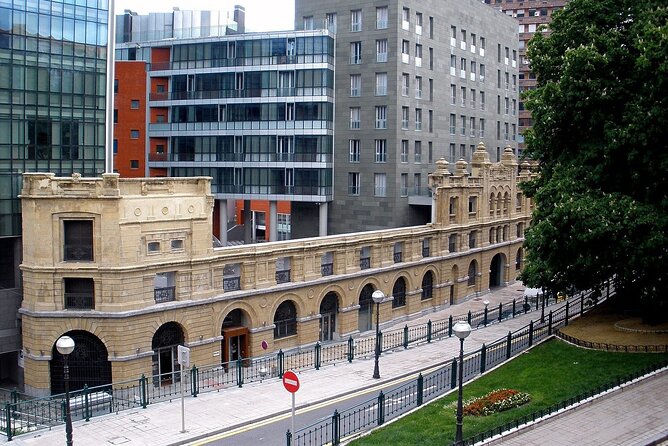
No matter how many times you’ve seen the Guggenheim in photos, being there still feels like a “wow” moment. This route includes Guggenheim Museum Bilbao as a key stop, and it’s where your quest likely starts to feel like more than a game.
The itinerary also notes admission ticket free for the time you spend at this stop, which strengthens the value. For $8.14 per person, you’re effectively paying for the experience design—your puzzle storyline—while the visit time aligns with major sights.
The practical downside is the one you’d expect at a major attraction: you may still encounter other pedestrians. The experience does claim an open-air setup and a crowd-avoiding approach, but it’s still central Bilbao. If you want a calmer atmosphere, plan to move quickly through the puzzle portion, then slow down for photos only after you’re done solving.
Stop 5: Zirgariak/Las Sirgueras as the quirky mid-route twist
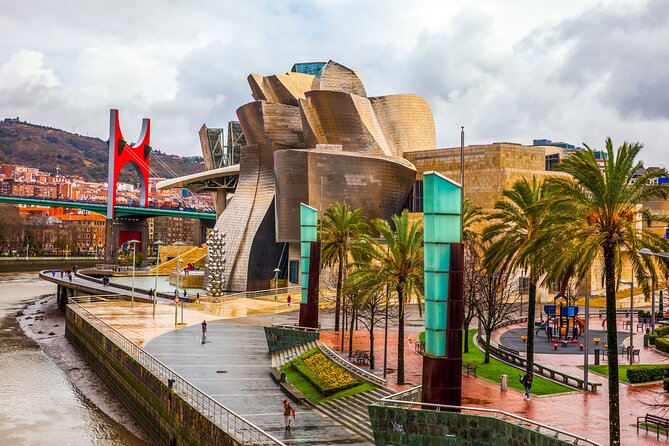
After the Guggenheim, the route turns to Zirgariak/Las Sirgueras. Stops with this kind of name usually signal artwork or a distinctive public feature, and in a puzzle quest they serve an important role: variety.
This is a good point in the route for resetting your attention. If earlier stops felt too “museum standard,” this one reads like a more local-feeling marker. It also breaks up the rhythm so the quest doesn’t become one long march between big-ticket sites.
Time strategy: since you can linger until the next clue, use this stop to catch your breath. If the earlier puzzles took longer than you expected, this is where you can regain control of pacing.
Stop 6: Zubizuri for a quick reset and a scenic pause
Then you reach Zubizuri. Even without extra commentary, this stop does what a puzzle route needs: it keeps the walking scenic and gives your brain a moment to switch from “solve mode” back to “look mode.”
Because it’s mid-quest, I like to treat these stops as checkpoints rather than pressure points. Solve the puzzle step, then look around for a couple minutes without rushing the next clue.
One practical note: since the whole experience is phone-driven, you’ll want stable signal and decent battery. If your phone starts slipping into low power mode, save your battery by pausing the camera and keeping screen use efficient.
Stop 7: Campo de Volantín Pasealekua (No. 17 area) for the story momentum
Next is Campo de Volantín Pasealekua, 17. By now, you should understand the “follow clue, solve, move on” rhythm. That means you can speed up a bit if you’re feeling good—or slow down if you’re enjoying the hunt.
This stop also helps because it suggests a shift in scenery. The quest design tends to mix landmarks with street-level moments, and this is one of those “walk it through” phases. If you’re traveling with kids, they often enjoy the sense of progress around the middle of the route.
Since the route is listed as about 1 hour to 1 hour 30 minutes, your pace here will decide whether you finish before you feel tired. If you’re running late, don’t try to solve extra “bonus” puzzles—just keep moving to the next clue prompt.
Stop 8: Jorge Oteiza sculpture finish for a satisfying end point
The final stop is Esferaren desokupazioaren oboide aldaera • Jorge Oteizaren eskultura, finishing at the address tied to the “Campo de Volantín Pasealekua” area. Ending at a work by Jorge Oteiza gives the quest a strong close: your story lands at a spot designed to be remembered.
This ending also matters for groups. With a clear finish location, you can wrap up photos, share solved words, and decide whether you want to keep wandering Bilbao after the game ends.
If you’re prone to taking longer at stops, you might consider planning a short “buffer” at the last place. That way, if you run into puzzle confusion late in the route, you’re not forced to rush your way through a final leg.
Price and logistics that actually affect your wallet and your mood
At $8.14 per person, this is priced like an affordable activity rather than a full guided tour. You’re paying for the self-guided puzzle engine (the Questo app) and the route design that ties together specific Bilbao stops.
Here’s why the value feels real: you’re able to visit major sights on a low-cost structure, and the time spent at each stop is flexible. If you were to do a traditional paid tour, you’d usually pay more for the guide time alone. This replaces guide narration with story-driven prompts, and it works well for people who like to explore rather than sit and listen.
Booking tends to be made about 7 days in advance on average, which suggests it’s popular enough to plan. The experience itself also says full availability 24/7, every day of the year, so you’re not locked into one exact time slot like some tours.
One thing to consider: you do have opening hours listed from 8:00 AM to 8:00 PM (Monday to Sunday). So while the app availability sounds wide, your real-world starting window for the route is still daylight-friendly. Plan your start so you’re not fighting late-day crowds or fatigue.
Tips for finishing the story without frustration
This quest is simple, but self-guided puzzles can be picky. Here’s how I’d set you up for a smoother run, based on what can go wrong.
- Start with a charged phone and enough battery for 1 to 1.5 hours
- Use early margin at Parque Doña Casilda Iturrizar to learn the clue flow
- If the first puzzle feels unclear, pause and troubleshoot before you keep walking
- Treat each stop as two parts: solve first, then take in the scene
- Move steadily between stops so you don’t stack delays late in the route
That last one is important because feedback includes a case where the first trial couldn’t be found as expected, delaying the game and preventing completion. If you feel that problem coming, fixing it early is the best chance you have to still finish the story.
Who should book this Bilbao love puzzle quest
This works best for people who enjoy light problem-solving while sightseeing. It’s also a strong pick if you like city walking with room to breathe, not a tight schedule that decides for you.
Based on the experience features, it’s a good fit for:
- Couples who want a playful, romantic-themed route without booking a guide
- Families needing an activity that keeps kids engaged and doesn’t rely on museum lectures
- Solo travelers who like autonomy and want to create their own pace
- Anyone traveling with a stroller or dog, since the quest is noted as stroller and dog-friendly
If you want deep explanations about what you’re seeing, you might feel limited. This is built around puzzle steps and story assembly, not on-site interpretation of artworks or architecture.
Should you book Year of Love in Bilbao
If you want a low-cost way to connect Euskera, romance-themed word puzzles, and major Bilbao landmarks into one walk, I’d say it’s a solid yes. The design gives you big-name stops like the Guggenheim plus extra route variety, and the flexible timing helps you match the experience to your energy level.
I’d only hesitate if you hate tech-dependent navigation or you’re the kind of traveler who needs everything explained for you at step level. Also, if you’re worried about puzzle clarity, start early in the day so you have time to troubleshoot and still enjoy the rest of the route.
FAQ
FAQ
How long does this self-guided quest take?
The experience is listed as about 1 hour to 1 hour 30 minutes.
Do I need a tour guide for Year of Love in Bilbao?
No. It’s self-guided, and the experience is delivered through the phone app.
What app do I use to play the game?
You use the Questo app on your phone.
Are admission tickets included for the stops?
The itinerary shows admission ticket free at each listed stop.
Is it stroller and dog-friendly?
Yes. The experience is noted as stroller and dog-friendly.
Where do I start and where do I finish?
You start at Parque Doña Casilda Iturrizar and finish at Esferaren desokupazioaren oboide aldaera • Jorge Oteizaren eskultura in the Campo de Volantín Pasealekua area.
What is the cancellation policy?
You can cancel for a full refund if you cancel up to 24 hours in advance. If you cancel less than 24 hours before the start time, the amount paid is not refunded.