REVIEW · TRIESTE
Miramare: The most romantic, beautiful and sad castle.
Book on GetYourGuide →Operated by Mercos d.o.o · Bookable on GetYourGuide
Miramare feels like a love letter with a shadow. This small-group tour takes you through the gardens and tells the story behind the Austrian archduke’s dream home above the Gulf of Trieste. Two things I especially like are how the park is explained as an engineered masterpiece and how the guide connects plants, ponds, and buildings to Maximilian and Charlotte.
The one thing to keep in mind: you’re mostly outside. You’ll watch the castle from the grounds, and the tour only includes the castle interior if you add tickets yourself.
In This Review
- Key points to know before you go
- Miramare’s cliffside setting: sea views and a built-in mood
- Getting to Grignano: a small trip that sets the scene
- Stop-by-stop: what you do on the ground
- Stop 1: Grignano meeting point
- Stop 2: the short bus/coach segment
- Stop 3: Miramare Castle grounds—your main walking time
- Stop 4: photos, guided moments, and a little breathing space
- The gardens: a man-made park with exotic ambition
- Maximilian’s plant collection
- Water and atmosphere: ponds and fountains with purpose
- The Egyptian touch—and the sphinx near the pier
- Maximilian and Charlotte: romance told through place, not dates
- Why the guide’s style matters
- Watching the castle outside—and what “optional tickets” really means
- Duration and pacing: 2.5 hours done the right way
- Price and value: what $130.28 per group really buys you
- Who this tour fits best (and who should consider alternatives)
- Should you book Miramare?
- FAQ
- Where is the meeting point for the Miramare tour?
- How do I get bus tickets for the transfer?
- How long is the tour?
- What is included in the price?
- Do I need tickets to visit the inside of the castle?
- What languages are offered?
- How big is the group?
- Is the tour suitable for very young children?
Key points to know before you go

- It’s a gardens-focused visit, with time for views and photos, not a rushed inside-only stop
- The name Miramare clues the vibe: it literally relates to looking toward the sea
- You’ll hear a full romance-and-tragedy storyline, tied directly to what you see around you
- The park was built, not grown wild: man-made from the start, with exotic plants collected by Maximilian
- Egyptian touches once appeared here, including a sphinx preserved near the pier
- The guiding experience is a highlight, with Murad noted for being prepared and passionately engaged
Miramare’s cliffside setting: sea views and a built-in mood

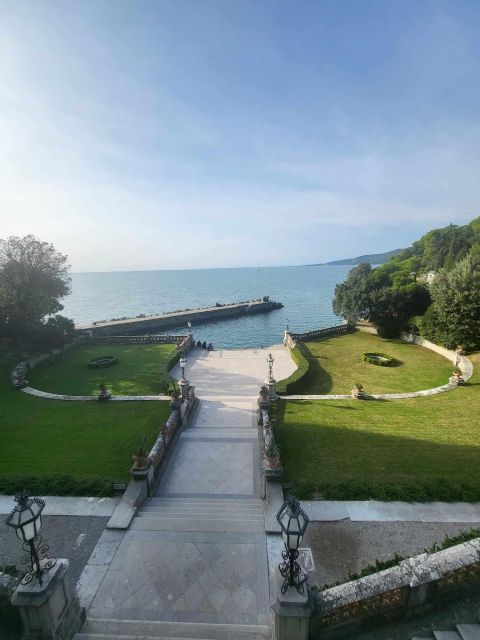
Miramare is one of those places where the setting does half the work for you. The castle sits above a picturesque cliff on the Gulf of Trieste, and the whole scene lands like a postcard: the snow-white building set against turquoise water and a wide, blue sky. Even before a single fact is explained, you can feel why an Austrian archduke would want to live here.
What makes this tour work is that it doesn’t treat the gardens like background. You’re guided through the park as if it’s part of the story itself—built forms, carefully chosen plants, and water features that change how you experience the coastline. The result is that you don’t just see beauty; you understand why the place was designed the way it was.
And yes, the romance is baked into the plan. Maximilian chose Miramare as a residence for his wife Charlotte, and the guide threads their love—and the sadness around it—through the walk so it feels personal instead of like a lecture.
Getting to Grignano: a small trip that sets the scene
You start at Grignano, at the bus stop where bus 6 finishes. This matters more than it sounds. Starting at the last stop helps you avoid the chaos of figuring out mid-route pickup points, and it gives you a clear, concrete place to meet.
From there, you take a short coach ride (about 15 minutes) to reach the Miramare area. Your route is simple: meet, ride, then walk the gardens. Because the ride is brief, the day doesn’t feel like a long commute to get to the “real part.” You get moving quickly, and that keeps the pacing relaxed.
Practical note: bus fare is not included. You’ll need tickets for the transfer to and back. The good news is that the meeting point instructions specifically point you toward buying tickets at the newsagents at the bus stop, so you’re not left guessing.
Stop-by-stop: what you do on the ground
Even though Miramare’s magic is visual, the tour is structured to keep you active and oriented.
Stop 1: Grignano meeting point
You’ll meet at the bus stop in Grignano. It’s the last stop of bus 6, coming from Viale Miramare 5 near Trieste Centrale. If you’re planning transit from the rail station, this is useful because it gives you a direct chain to follow.
Stop 2: the short bus/coach segment
That roughly 15-minute ride is your bridge between the city and the estate. Use it to get oriented to direction and coastal setting. When you arrive, the walk doesn’t start cold—it starts with a sense of where you are in relation to the sea.
Stop 3: Miramare Castle grounds—your main walking time
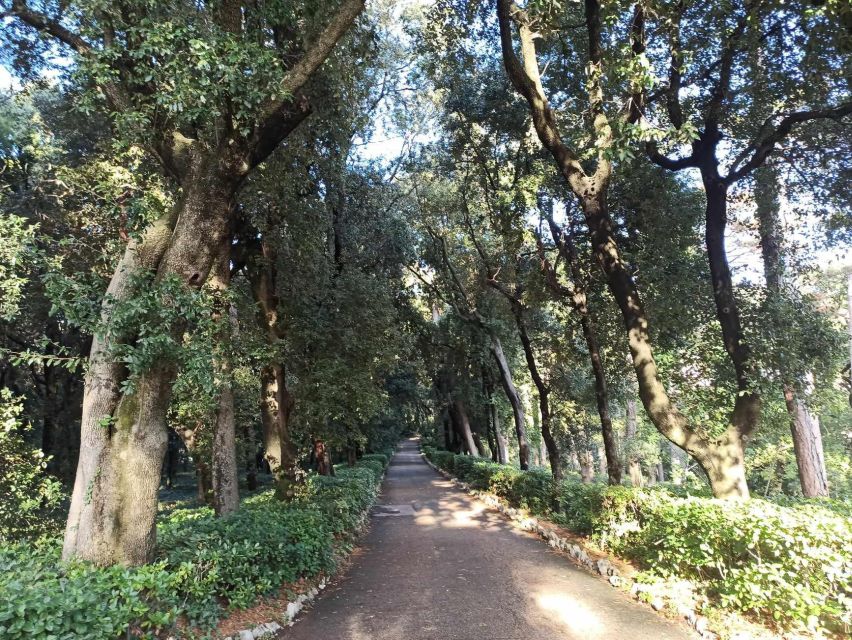
This is where the tour shines: a walk around the gardens with guided context. Expect about two hours on foot around the estate grounds. The guide talks about the construction of the castle and gardens, and you’ll be shown how the estate is arranged to create sightlines toward the Gulf.
This part is designed to help you notice details you’d miss on your own. The park’s layout, the water elements, and the architectural touches aren’t random decoration. They’re part of a plan.
What you’ll encounter during this garden walk:
- Architectural buildings connected to the estate design
- Plants selected and arranged for impact
- Ponds and fountains, which give the gardens a calm rhythm
- Viewpoints that let you connect the path you’re on with the coastline beyond
Stop 4: photos, guided moments, and a little breathing space
After the core garden loop, there’s time for a photo stop, plus continued guided sightseeing and some free time. You’ll also get scenic views on the way back along the estate route.
Even if you’ve seen Miramare in photos online, this is the phase that helps you translate those images into something real. You’ll have a chance to slow down, frame the sea-and-castle view, and soak in how the color contrast works in daylight.
The gardens: a man-made park with exotic ambition
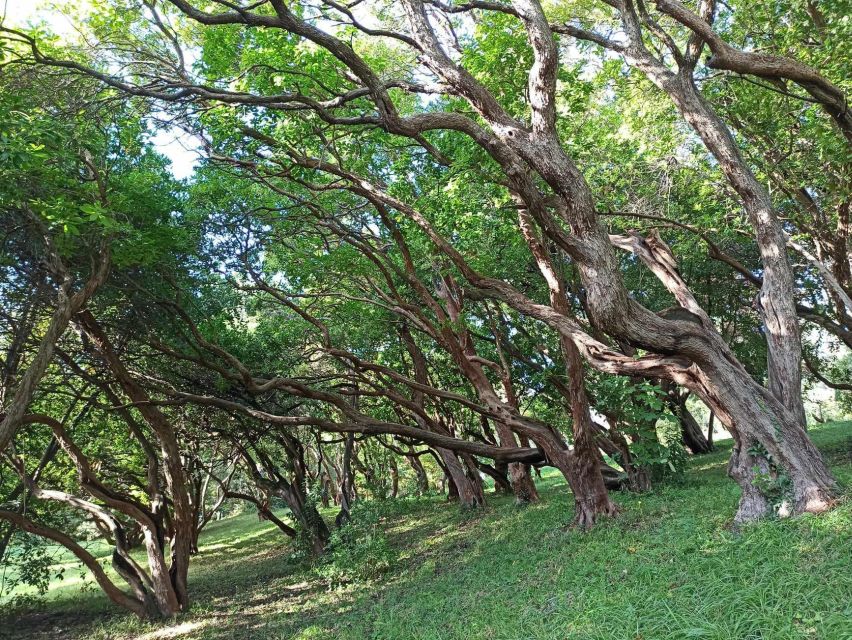
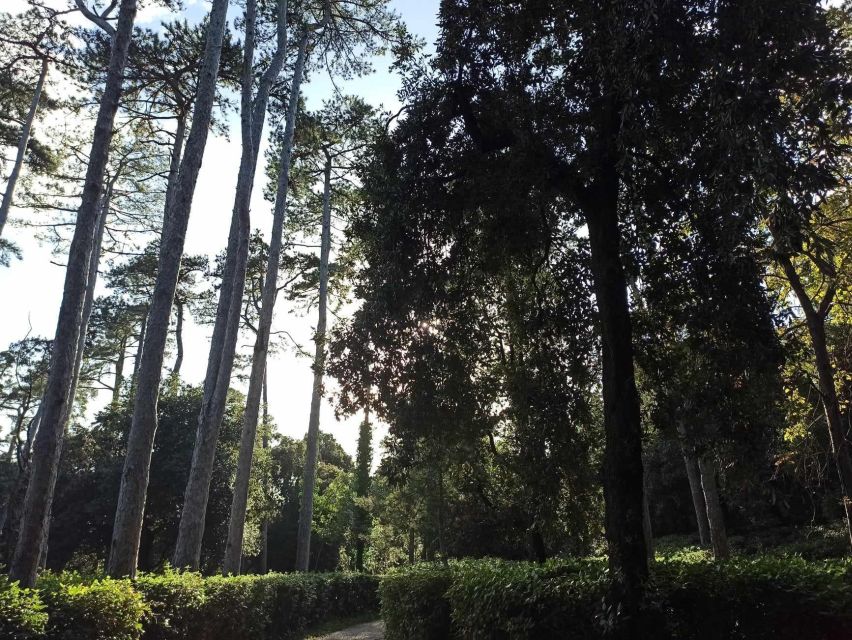
One of my favorite parts of this experience is that it treats the park as a design project, not a nature walk. Miramare’s gardens are a completely man-made creation, which changes how you read everything around you. Instead of asking what’s growing here, you start asking why it’s here.
At the start of construction, the area wasn’t “garden ready.” The castle was surrounded by almost bare hills overgrown with bushes. That matters because it makes the transformation feel intentional. The story isn’t just about a beautiful outcome; it’s about turning an exposed, hillside setting into a curated residence landscape.
Maximilian’s plant collection
Maximilian is the gardener-in-chief here. He brought exotic plants from distant countries and built an extensive collection in the park. The tour helps you understand how that collection functions as more than decoration. It’s tied to identity and power: the idea that a far-off world can be carried into one carefully planned estate.
As you walk, you’re not just looking at individual plants. You’re seeing how the park uses variety, placement, and water to create a controlled sense of wonder.
Water and atmosphere: ponds and fountains with purpose
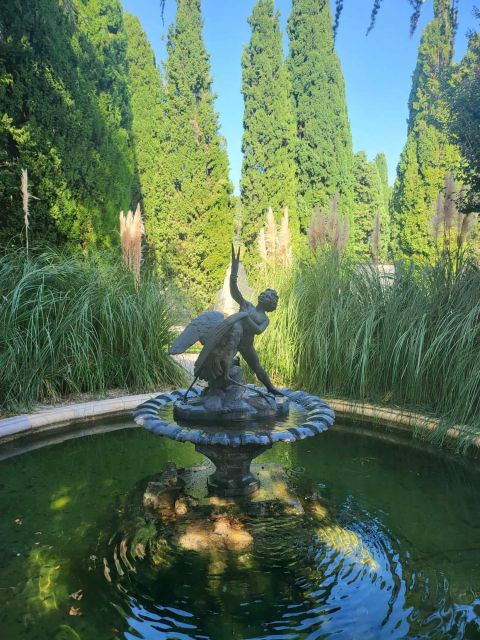
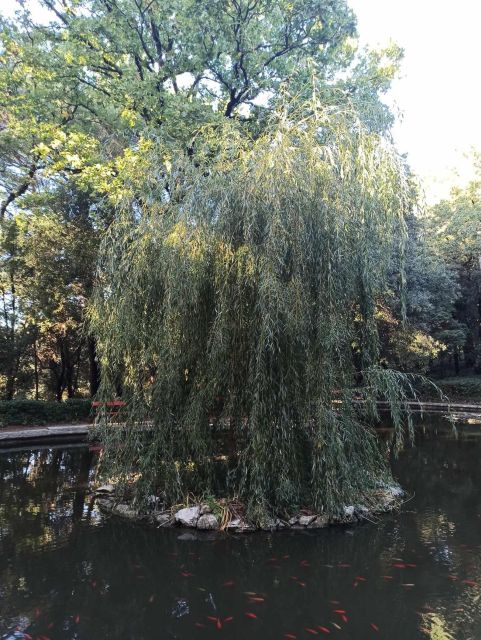
Miramare’s ponds and fountains aren’t just for looks. They affect how the gardens feel. Water softens the hard lines of stone and hillside, and it gives you small pauses where the soundscape changes and your pace naturally slows.
Even when the coast is in view, these water features make the garden feel like a private world. That contrast is part of why this place can feel romantic and sad at the same time.
The Egyptian touch—and the sphinx near the pier
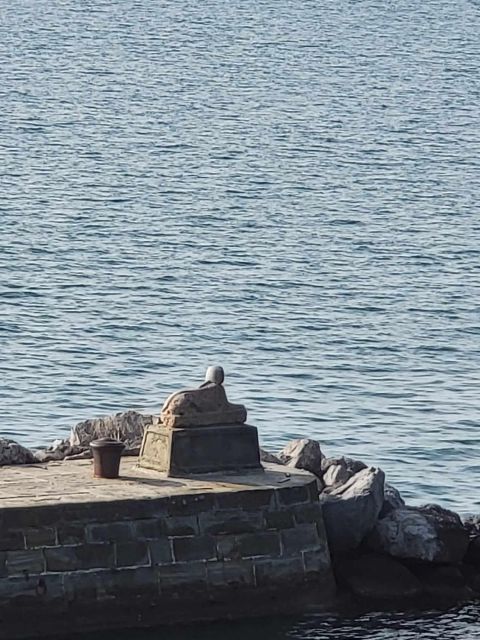
Here’s a detail that makes the whole site feel surprising and specific: Miramare was once decorated with Egyptian exhibits, including a sphinx. While not every Egyptian element remains in the same way, the tour highlights that one sphinx was preserved near the pier.
That little thread of ancient symbolism adds another layer to the estate. It makes Miramare feel like it’s collecting eras and emotions—Romanesque romance in stone, nature as a living backdrop, and distant Egypt tucked near the water.
Maximilian and Charlotte: romance told through place, not dates
The tour’s emotional core is the story of Maximilian and Charlotte. The pairing is what makes Miramare more than a pretty setting.
You’ll hear about why Maximilian chose this place and how he built a residence for his wife. And you’ll also get the tragic tone that makes the site memorable. In other words: this is not a cheerful “royals on vacation” tale. The romance is real, but it comes with shadows.
What makes the storytelling feel valuable is that it’s connected to the landscape. The guide doesn’t treat the story as a separate, floating chapter. Instead, the narrative keeps landing right where you’re standing—so you associate a plot point with a pathway, a plant arrangement, a building, or a view.
Why the guide’s style matters
This is one of those tours where the guide can make or break the experience. The standout theme in the guiding approach is passion with structure. Murad, specifically, is highlighted for being well prepared and for handling a larger group smoothly. Just as important, his approach reportedly includes thoughtful extra research beyond the original owners, so you’re not left with only the headline romance. You get a fuller sense of what the castle represented over time.
Even if you don’t consider yourself a “history person,” that kind of storytelling tends to work because it’s anchored in physical details. You don’t need to memorize dates to enjoy it.
Watching the castle outside—and what “optional tickets” really means
Included in the experience: walking tour around the gardens and watching the castle outside. That’s your baseline.
The castle interior is not automatically part of the package. Tickets are optional, and the tour ends with the guide telling you about the interesting things inside the castle. That means you’ll likely finish with a stronger reason to decide on interior tickets—because you’ll understand what you’re looking for before you pay to go in.
This is a smart setup for your time. If you have limited mobility, prefer outdoors, or simply don’t want museums, you still get a great Miramare experience. If you want more, you can add the inside visit without feeling like you missed the “real” content.
Duration and pacing: 2.5 hours done the right way
The tour runs about 2.5 hours. That length is ideal for gardens because it’s long enough to feel like you’re part of the estate, but short enough to avoid fatigue.
Also, small group size is capped at 10 participants. That matters for two reasons. First, it makes the walk more conversational. Second, you don’t end up one giant line in front of every view.
The languages offered are English, Slovenian, and Russian, which is helpful if you’re traveling with family or friends who want the story in their own language.
Price and value: what $130.28 per group really buys you
The price is listed as $130.28 per group up to 3. For many people, the value depends on how you split that cost.
If you book as a small group of three, you’re effectively paying a modest per-person amount for:
- guided time in a famous estate
- a focused garden route (not just a look-and-leave exterior loop)
- a small-group atmosphere
- storytelling that turns the place into a narrative you can remember
If you book solo, the price per person can feel higher, because it’s priced by group rather than strictly per individual. Still, the small group cap and the fact that you’re getting about 2.5 hours of guided interpretation can justify the cost if you care about context, not just photos.
One more value point: bus fare is not included, so factor that into your total budget. The rest of the experience cost is essentially paying for the guided gardens and the time on the estate.
Who this tour fits best (and who should consider alternatives)

This Miramare garden tour is a great fit if you want beauty with meaning. It works especially well for:
- couples and anyone who loves romantic, bittersweet stories
- travelers who like learning how places are designed, not just what they look like
- people who prefer guided pacing and commentary while walking
It’s less ideal if you specifically want a full museum-style interior experience right away, because the included content is mostly outside. You can add tickets if you want more, but you need to plan for that decision.
Also note: it’s not suitable for children under 2 and babies under 1, so plan accordingly if you’re traveling with very young kids.
Should you book Miramare?
I’d book it if you’re spending time around Trieste and you want an experience that turns a famous castle into a story you can walk through. The biggest draw here is the combination of garden design (man-made, engineered, plant-driven) plus the emotional storyline of Maximilian and Charlotte, explained in a way that’s tied to what you’re seeing.
Skip it only if your main goal is interior rooms and museum galleries, or if you want a full self-guided roam with no structured narrative. If you’re after cliff views, water-and-plant atmosphere, and a guided romance with real sadness behind it, Miramare is the kind of stop that stays with you after the photos fade.
FAQ
Where is the meeting point for the Miramare tour?
Meet at the bus stop Grignano. It is the last stop of bus 6, which runs from Viale Miramare 5 near Trieste Centrale.
How do I get bus tickets for the transfer?
The instructions say to buy bus tickets at the newsagents at the Grignano bus stop.
How long is the tour?
The duration is listed as 2.5 hours. Starting times depend on availability.
What is included in the price?
Included: a walking tour around the gardens and watching the castle outside.
Do I need tickets to visit the inside of the castle?
Castle tickets are optional. The tour includes outside views, and at the end the guide tells you about things inside, but interior entry is not included by default.
What languages are offered?
The live tour guide is available in English, Slovenian, and Russian.
How big is the group?
It’s a small group limited to 10 participants.
Is the tour suitable for very young children?
No. It is not suitable for children under 2 years and not suitable for babies under 1 year.