REVIEW · UBUD
Evening Cooking Class with Romantic Dinner in Ubud
Book on Viator →Operated by Lesung Bali · Bookable on Viator
If you like your dinner with a story, this fits. This Ubud evening cooking class blends a farm visit, Balinese home-garden context, and hands-on cooking, then ends with a romantic candlelit dinner you actually made. You’ll learn how Balinese cooks work with fresh ingredients, not prepped shortcuts.
Two things I really like: you start outdoors, picking spices and seeing how ingredients move from farm to pan, and the evening meal feels special because it’s lit like a date night, not a food stall scramble. One consideration: pickup and drop-off are for the Ubud area. If you’re staying farther out, you’ll likely need extra transport.
In This Review
- Key Highlights at a Glance
- Why This Ubud Cooking Class Feels Like Local Life
- Getting There: West-Side Ubud Pickup and a Relaxed 5-Hour Rhythm
- The Balinese House and Garden Stop: More Than a Photo Break
- Farm Harvest and Choosing Your Menu (Yes, You Help Choose)
- In the Kitchen With Ron: Balinese Techniques That Actually Change Flavor
- The Dishes You’ll Make: What to Expect From Each Dish
- The Romantic Candlelit Dinner: Eating What You Built
- Price and Value: What You’re Paying For (and Why It’s Fair)
- Who This Ubud Dinner Cooking Class Is Best For
- Quick Tips to Make Your Evening Smoother
- Should You Book This Evening Cooking Class?
- FAQ
- What time of day is this experience?
- How long is the cooking class?
- Is pickup included in Ubud?
- What if my hotel is outside Ubud?
- Do I get to choose a vegetarian menu?
- What dishes are included?
- What is included with the dinner?
- What happens if the weather is bad?
Key Highlights at a Glance
- Farm spice harvest first: You don’t just cook—you help gather the seasonings that shape the flavors.
- Balinese house and garden stop: You get context for how homes sit and function in daily life.
- Small-group class (max 15): Easier for questions and hands-on pacing.
- Cooking with a real Balinese chef: You’ll practice techniques like pounding spices with a mortar and pestle (lesung).
- Vegetarian or regular menu choice: You can tailor the cooking to your preferences.
- Candlelit dinner to finish: Romantic atmosphere, and you get to eat what you learned.
Why This Ubud Cooking Class Feels Like Local Life
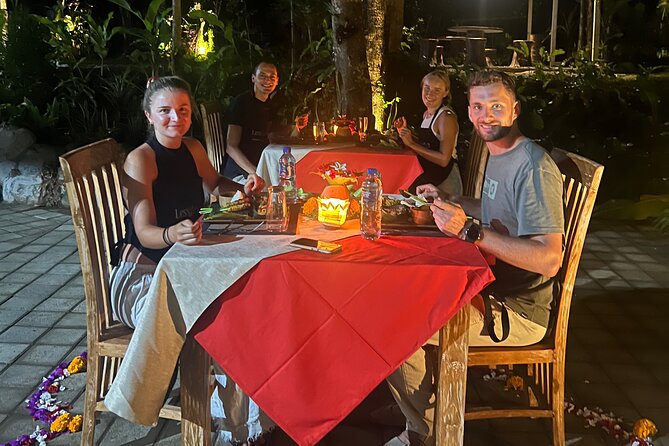
Ubud is full of cooking classes, but this one stands apart because it treats food as part of culture, not just a checklist of dishes. You’ll start by seeing a Balinese house and garden, then move on to a farm where the spices you’ll use are the point—not an afterthought.
The chef-led part matters too. This isn’t about watching someone else cook while you hold a spoon. You’re doing real prep: chopping, pounding, mixing, tasting, adjusting. You come away with techniques you can actually repeat later at home.
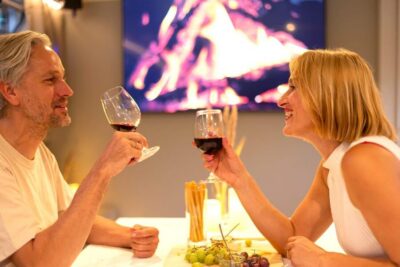
And yes, the dinner is genuinely romantic. Candlelight changes the vibe, but so does the fact that the meal is the payoff to your work. You’re not just fed—you’re able to point at what you made and remember the steps.
You can also read our reviews of more tours and experiences in Ubud.

Getting There: West-Side Ubud Pickup and a Relaxed 5-Hour Rhythm
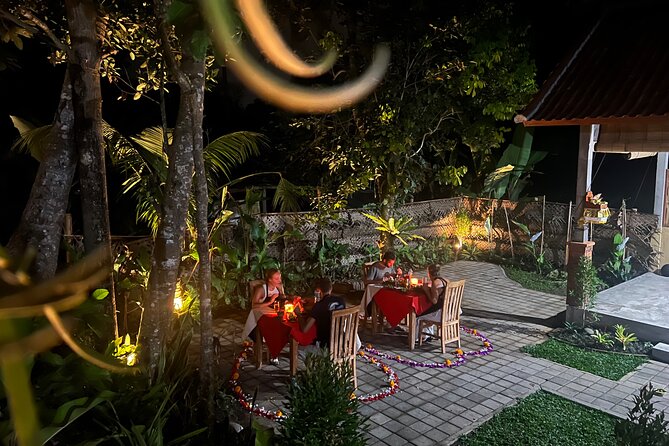
The experience runs about 5 hours, timed so you can enjoy the evening without rushing. The class base is on the west side of Ubud, where the surroundings feel more countryside than center-of-town.
If you’re staying in Ubud, pickup and drop-off are included for hotels in the Ubud area, with a private car. That makes a big difference in Bali, where traffic can turn a short plan into a long one. The driver handles the logistics so you can focus on the experience.
Two practical notes to plan around:
- The schedule depends on good weather. If weather turns, your date may shift or you’ll get a refund.
- If you’re outside the Ubud pickup zone, extra transport costs apply (you’ll see set rates for Nusa Dua/Jimbaran and Uluwatu by car).
The Balinese House and Garden Stop: More Than a Photo Break
Before you cook, you visit a local house. This isn’t just a quick look-see. You learn how Balinese people think about home layout and daily living, including how the building is placed at the house and how the garden supports everyday life.
Even if you’ve read about Balinese architecture before, this kind of explanation helps you connect what you saw with why it matters. Food culture doesn’t live in a vacuum. It grows from the rhythm of a household—where people gather, where they store ingredients, and how nature is part of the routine.
This part also sets the tone. You arrive from Ubud, slow down a little, and start the evening with context. It makes the rest of the cooking class feel less like a performance and more like learning from people who live this way.
Farm Harvest and Choosing Your Menu (Yes, You Help Choose)
Then you head to the farm. This is where the experience turns from informative to hands-on. You explore the farm and harvest spices that you’ll use during the class. Seeing the ingredients where they grow helps everything taste more specific once you’re back at the cooking station.
One thing I appreciate here is that you decide on the menu before you cook. That means you’re not just handed whatever is easiest for the kitchen. You can pick from different menu options, including vegetarian choices.
After that, the chef moves you from the farm world to the technique world. You’ll learn what you’ll cook and how the ingredient list drives the steps—how chopping, pounding, and timing affect flavor.
In the Kitchen With Ron: Balinese Techniques That Actually Change Flavor
The heart of the class is the chef instruction. In the reviews, people consistently point out the energy and humor of Ron, who serves as the host and instructor. He doesn’t just teach steps—he explains the Balinese way of living through cooking, which is why the class feels lively instead of stiff.
You’ll also learn using traditional tools and methods. A standout technique is lesung (mortar and pestle) for chopping and pounding spices. It sounds simple, but it changes the result. Pounding breaks down spice fibers and helps flavors spread more evenly through the dish.
Expect the chef to walk you through:
- how many key ingredients you’ll use for your selected menu
- what those ingredients need (and what they don’t)
- the basic method so you understand the logic, not just the motions
There’s also a moment earlier in the session where you slow down with tea and get the cultural background before you start active cooking. That break is useful. It helps you absorb what you’re about to do instead of jumping straight into chopping.



The Dishes You’ll Make: What to Expect From Each Dish
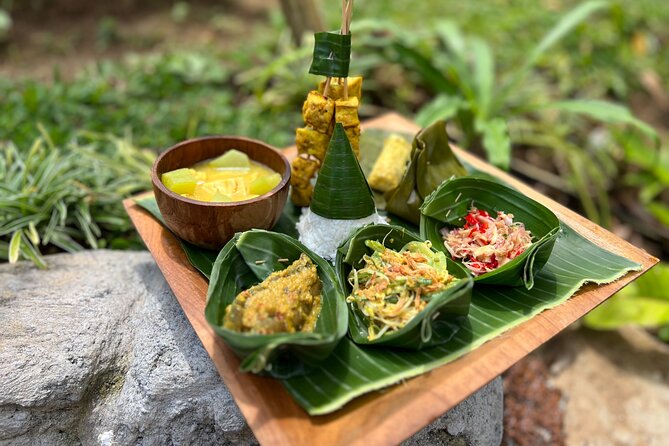
The menu can vary based on the menu options you choose, but the experience is built around several classic Balinese plates. From the details provided, you can expect dishes such as:
- Steamed fish wrapped with banana leaf: This style helps keep the fish tender and carries fragrance from the leaf into the cooking. Watch how the wrap is handled and how gently the steaming process treats the fish.
- Chicken meatball soup: Comfort food with Balinese seasoning logic. You learn how the flavors balance in broth and how meatball texture affects the final bite.
- Crepes with palm sugar and grated coconut: A sweet ending that isn’t just dessert. You learn how palm sugar works and how coconut brings texture.
You’ll also cook additional items beyond these examples, depending on the menu you select. The best part is that the class teaches the method behind the dish, so even if you don’t recreate the exact recipe at home, you’ll understand what techniques create the flavor.
If you care about dietary needs, you’ll be glad there are vegetarian and regular menu options. That means you can still enjoy the full class flow without feeling like you’re doing a reduced version of the experience.
The Romantic Candlelit Dinner: Eating What You Built
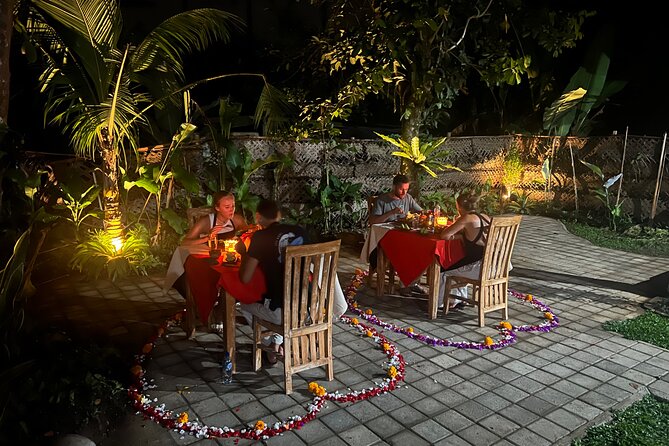
After cooking, you’ll sit down for a candlelight dinner. This is one of the most praised parts of the evening for good reason. It doesn’t feel like an add-on meal. It’s the payoff.
Because you cooked the dishes, you’ll eat differently than you do at most restaurants. You’ll notice textures. You’ll remember the spice pounding step and how it smelled when it hit the pan. You’ll also appreciate the way Balinese flavors come together across salty, savory, and sweet courses.
The atmosphere is also part of the value. Candlelight makes the dinner feel intimate, which is why it’s popular for couples. Even if you’re not traveling as a pair, it’s still a nicer finish than ending a tour with a rushed snack.
And it’s not a bare-bones dinner. Along the way, you’ll have a welcome drink and snacks, plus you’ll also receive mineral water and a bottle of beer included.
Price and Value: What You’re Paying For (and Why It’s Fair)
At $45.82 per person for about 5 hours, this sits in the mid-range for Ubud classes—but the value is in the structure, not just the price tag.
Here’s what the package includes:
- pickup and drop-off within the Ubud area
- a private car
- the cooking class itself
- a candlelit dinner
- mineral water
- welcome drink and snacks
- a bottle of beer
What you’re not paying for (but should note):
- a photo
- extra transport if you’re outside the Ubud area
For me, the best way to judge value is simple: does it include more than cooking? This experience does. The house and garden context, the farm spice harvest, and the chef-led instruction create a full evening experience. You’re not just buying a meal—you’re buying the learning and the setting.
Also, the group size stays small, with a maximum of 15 people. Smaller groups usually mean you spend more time cooking and asking questions, and less time waiting your turn.
Who This Ubud Dinner Cooking Class Is Best For
This is a great fit if you want:
- hands-on cooking in Ubud, not a passive demo
- a Balinese culture connection through food
- an evening plan that feels romantic without turning into a tourist show
- a menu option that can work for vegetarians
Couples often choose this because the candlelit dinner is built into the experience. You’re not hunting for a fancy restaurant after the class—you already have the atmosphere.
Families can sometimes enjoy it too, but nothing in the details points to child-focused adaptations, so you’ll want to judge based on your group’s comfort with a 5-hour guided activity.
If you hate any element of outdoors, farm visits, or weather-dependent scheduling, this might feel like a gamble. But if you’re okay with flexible timing when needed, the payoff is worth it.
Quick Tips to Make Your Evening Smoother
- Wear comfortable shoes. You’ll move around in farm and outdoor areas before cooking.
- Bring a light layer. Evening temperatures can change, especially away from central Ubud.
- If you’re picky about vegetarian dishes, decide clearly when you’re offered menu options so the kitchen can plan.
- Eat mindfully during cooking. It’s easy to snack on welcome treats and then feel too full for dinner.
Most importantly, go in curious. When you ask questions about techniques, the class becomes more than a meal. You’ll leave with a better feel for why Balinese food tastes the way it does.
Should You Book This Evening Cooking Class?
I’d book it if you want a Ubud evening that combines culture, hands-on cooking, and a genuinely romantic finish. The biggest strengths are the farm-to-ingredient start, the chef instruction with traditional techniques like lesung, and the fact that dinner isn’t separate—it’s the result of your work.
Skip it if you’re staying outside the Ubud pickup area and don’t want to deal with extra transport costs, or if you strongly dislike weather-dependent outdoor scheduling.
If you want one simple decision rule: choose this when you’d rather learn how food is made than just eat a set menu.
FAQ
What time of day is this experience?
It’s an evening cooking class with a romantic candlelit dinner, lasting about 5 hours.
How long is the cooking class?
The duration is approximately 5 hours.
Is pickup included in Ubud?
Yes. Pickup and drop-off are included for hotels in the Ubud area.
What if my hotel is outside Ubud?
The tour includes pickup/drop-off within the Ubud area. Extra transportation by car is listed for Nusa Dua and Jimbaran, and a separate car rate is listed for Uluwatu.
Do I get to choose a vegetarian menu?
Yes. There are vegetarian and regular menu options.
What dishes are included?
You can expect dishes such as steamed fish wrapped with banana leaf, chicken meatball soup, and crepes with palm sugar and grated coconut, plus additional dishes depending on the menu.
What is included with the dinner?
You’ll have a welcome drink and snacks, mineral water, candlelight dinner, and a bottle of beer is included.
What happens if the weather is bad?
The experience requires good weather. If it’s canceled due to poor weather, you’ll be offered a different date or a full refund.